


13
2026
-
01
PPH Hot Melt Pipe Fittings vs. Traditional Options: Which is the Superior Choice for Your Plumbing Needs?
PPH Hot Melt Pipe Fittings vs. Traditional Options: Which is the Superior Choice for Your Plumbing Needs? Table of Contents 1. Introduction: Understanding Pipe Fittings and Their Importance 2. What Are PPH Hot Melt Pipe Fittings? 3. Traditional Pipe Fitting Options Explained 4. Advantages of PPH Hot Melt Pipe Fittings 5. Disadvantages of PPH Hot Melt Pipe Fittings 6. Advan
PPH Hot Melt Pipe Fittings vs. Traditional Options: Which is the Superior Choice for Your Plumbing Needs?
Table of Contents
- 1. Introduction: Understanding Pipe Fittings and Their Importance
- 2. What Are PPH Hot Melt Pipe Fittings?
- 3. Traditional Pipe Fitting Options Explained
- 4. Advantages of PPH Hot Melt Pipe Fittings
- 5. Disadvantages of PPH Hot Melt Pipe Fittings
- 6. Advantages of Traditional Pipe Fittings
- 7. Disadvantages of Traditional Pipe Fittings
- 8. Installation Process: PPH vs. Traditional Options
- 9. Long-Term Considerations: Cost, Durability, and Maintenance
- 10. Conclusion: Making the Right Choice for Your Project
- 11. FAQs About PPH Hot Melt Pipe Fittings and Traditional Options
1. Introduction: Understanding Pipe Fittings and Their Importance
In the realm of plumbing and construction, **pipe fittings** play a pivotal role in ensuring fluid transportation, integrity, and efficiency. The choice between **PPH hot melt pipe fittings** and traditional options can significantly impact not only the performance of plumbing systems but also overall project costs and longevity. This article aims to provide a comprehensive comparison of these two categories of pipe fittings, helping you to determine which option best suits your needs.
2. What Are PPH Hot Melt Pipe Fittings?
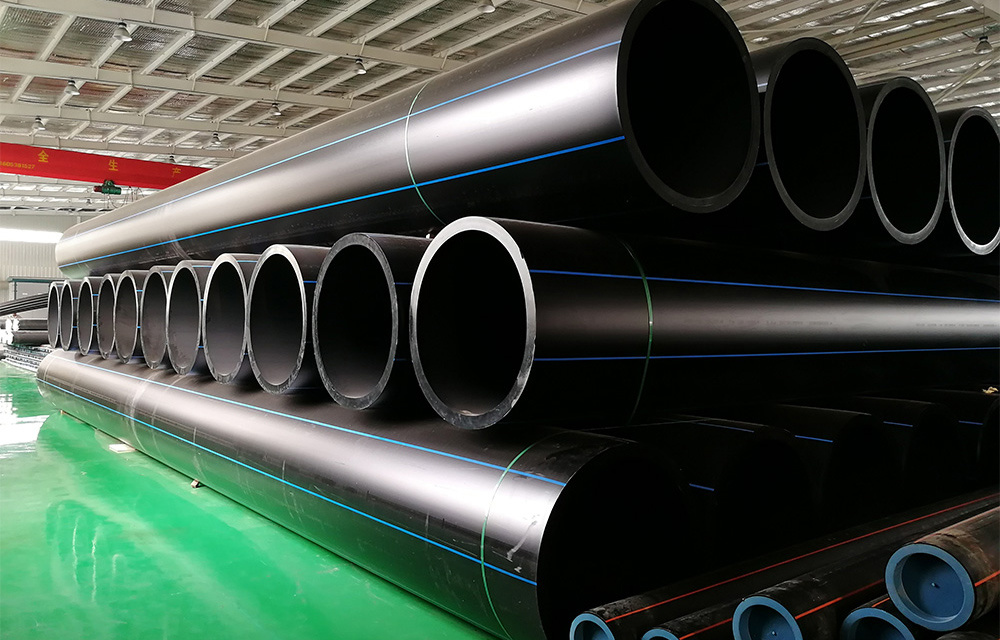
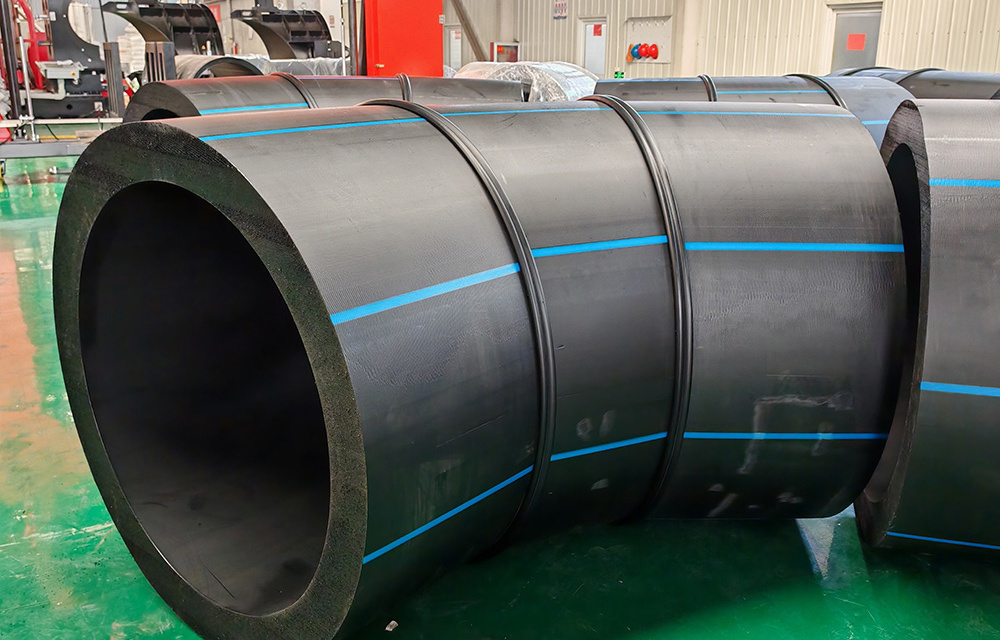
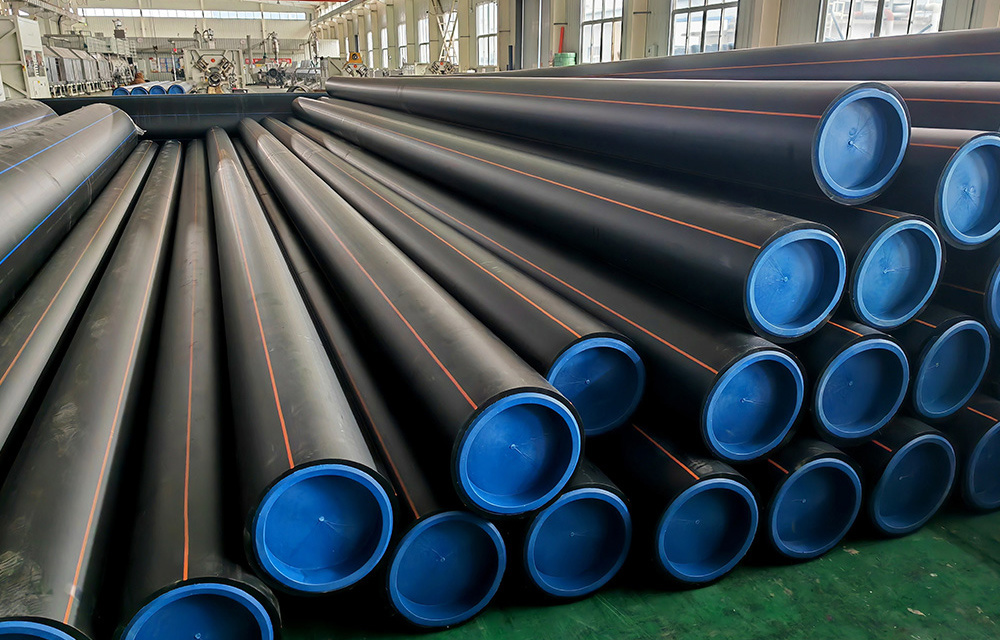
PPH, or **polypropylene homopolymer**, is a type of thermoplastic material widely used in various industrial applications, including plumbing. **Hot melt pipe fittings** made from PPH are characterized by their robust chemical resistance, lightweight nature, and excellent thermal insulation properties. The hot melt process involves heating the polypropylene until it melts, allowing for seamless joining with pipes, reducing the risk of leaks and enhancing durability.
**Key Features of PPH Hot Melt Pipe Fittings:**
- **Corrosion Resistance:** PPH fittings resist chemicals, making them ideal for transporting corrosive substances.
- **Temperature Tolerance:** Capable of handling a wide range of temperatures without degradation.
- **Ease of Installation:** The hot melt process simplifies installation and allows for quick repairs.
3. Traditional Pipe Fitting Options Explained
Traditional pipe fittings typically encompass materials such as **PVC (polyvinyl chloride)**, **CPVC (chlorinated polyvinyl chloride)**, **metal fittings (copper, galvanized steel)**, and **cast iron**. Each of these materials has its own set of advantages and applications, but they often come with drawbacks as well.
**Types of Traditional Pipe Fittings:**
- **PVC and CPVC:** Commonly used for water supply and drainage systems due to their affordability and corrosion resistance.
- **Metal Fittings:** Offer strength and longevity, ideal for high-pressure applications, though they may be susceptible to corrosion.
- **Cast Iron Fittings:** Renowned for their durability and sound-dampening properties, often used in older buildings.
4. Advantages of PPH Hot Melt Pipe Fittings
Choosing PPH hot melt pipe fittings comes with a variety of significant advantages:
4.1 Chemical Resistance
The ability of PPH fittings to resist a wide range of chemicals makes them suitable for industrial applications where corrosive materials are involved.
4.2 Lightweight and Easy to Handle
PPH fittings are lightweight, making transportation and installation significantly easier and reducing labor costs.
4.3 High Temperature Resistance
These fittings can withstand high temperatures, making them suitable for hot water applications without the risk of deformation.
4.4 Seamless Joining
The hot melt technique allows for a smooth transition between pipes and fittings, which minimizes the chances of leaks.
4.5 Long Lifespan
Due to their durable nature, PPH hot melt fittings often outlast traditional materials, providing long-term value.
5. Disadvantages of PPH Hot Melt Pipe Fittings
Despite their benefits, PPH hot melt pipe fittings do have limitations:
5.1 Sensitivity to UV Exposure
PPH materials can degrade when exposed to UV light, making them less suitable for outdoor applications without proper protection.
5.2 Specialized Installation Equipment Required
The installation process requires specific equipment for melting and applying the fittings, which may not be readily available to all contractors.
5.3 Higher Initial Cost
While PPH fittings may offer long-term savings, the initial investment is often higher than traditional materials.
6. Advantages of Traditional Pipe Fittings
Traditional pipe fittings have their own set of advantages, making them suitable for specific applications:
6.1 Established Track Record
Traditional materials like copper and PVC have been used for decades, providing reliability and trust among users.
6.2 Greater Availability and Variety
Traditional fittings are widely available, offering a vast selection of sizes and shapes to fit various applications.
6.3 No Specialized Equipment Needed
Most traditional pipe fittings can be installed with standard plumbing tools, making them accessible to a wider range of contractors.
6.4 Cost-Effective for Short-Term Solutions
For projects with tight budgets or short timeframes, traditional fittings often present the most economical choice.
7. Disadvantages of Traditional Pipe Fittings
However, traditional pipe fittings are not without their drawbacks:
7.1 Susceptibility to Corrosion
Metal fittings, in particular, can corrode over time, leading to leaks and costly repairs.
7.2 Heavier and More Difficult to Handle
Many traditional fittings are heavier than PPH options, which can complicate installation and worsen shipping costs.
7.3 Potential for Reduced Lifespan
While traditional materials are reliable, they may not last as long as PPH fittings in harsh environments.
8. Installation Process: PPH vs. Traditional Options
The installation process is critical in determining the overall efficiency and reliability of piping systems.
8.1 PPH Hot Melt Installation
Installing PPH fittings involves heating the fitting and the pipe ends to their melting point, applying them together for a strong bond. This requires specialized tools but ensures minimal leak potential.
8.2 Traditional Fitting Installation
Traditional fittings can be joined using various methods such as solvent welding for PVC, soldering for copper, and threading for metal fittings. While generally simpler, these methods can sometimes lead to user error and leaks if not executed correctly.
9. Long-Term Considerations: Cost, Durability, and Maintenance
When weighing your options, consider not just the upfront costs but also long-term effects.
9.1 Cost Analysis
PPH fittings may have higher initial costs, but their longevity and reduced maintenance requirements often make them a cheaper long-term solution.
9.2 Durability Assessment
PPH fittings excel in harsh environments, often lasting longer than traditional materials, especially when installed correctly.
9.3 Maintenance Requirements
Traditional materials may require more frequent inspections and repairs due to potential corrosion and leaks, whereas PPH fittings generally require less ongoing attention.
10. Conclusion: Making the Right Choice for Your Project
In summary, the decision between **PPH hot melt pipe fittings** and traditional options hinges on various factors, including your specific application, budget, and long-term goals. For projects requiring durability, chemical resistance, and lower maintenance, PPH fittings offer unparalleled advantages. Conversely, traditional options may suit those looking for cost-effective solutions for standard applications.
Ultimately, understanding the unique characteristics of both types of fittings will empower you to make the most informed decision for your plumbing needs.
11. FAQs About PPH Hot Melt Pipe Fittings and Traditional Options
1. Are PPH hot melt pipe fittings suitable for outdoor use?
PPH fittings can degrade with prolonged UV exposure, so they are not recommended for outdoor applications unless properly shielded.
2. Can I use traditional fittings with PPH pipes?
While it is possible, it is essential to ensure compatibility and proper joining techniques to prevent leaks.
3. How do I determine the right pipe fitting for my project?
Consider factors such as the type of fluids being transported, temperature, pressure, and budget constraints.
4. Are PPH fittings more environmentally friendly than traditional options?
PPH fittings are recyclable and can be considered more environmentally friendly than some traditional materials, particularly metal.
5. What is the lifespan of PPH hot melt pipe fittings?
With proper installation and maintenance, PPH fittings can last 50 years or more, depending on environmental conditions.
By understanding the complexities and dynamics between **PPH hot melt pipe fittings** and traditional options, you can confidently choose the best solution for your plumbing needs.

Customer Service Hotline
Sales Department Email
Website (Web)
Customer Service Email
Business Cooperation Email
Address
No.32 Donghai Road, Cangzhou Development Zone, Hebei Province, China
Company Address
No. 32 Donghai Road, Cangzhou Development Zone, Hebei Province, China