


25
2025
-
11
Unlocking the Benefits of HDPE Pipes in Geothermal Systems
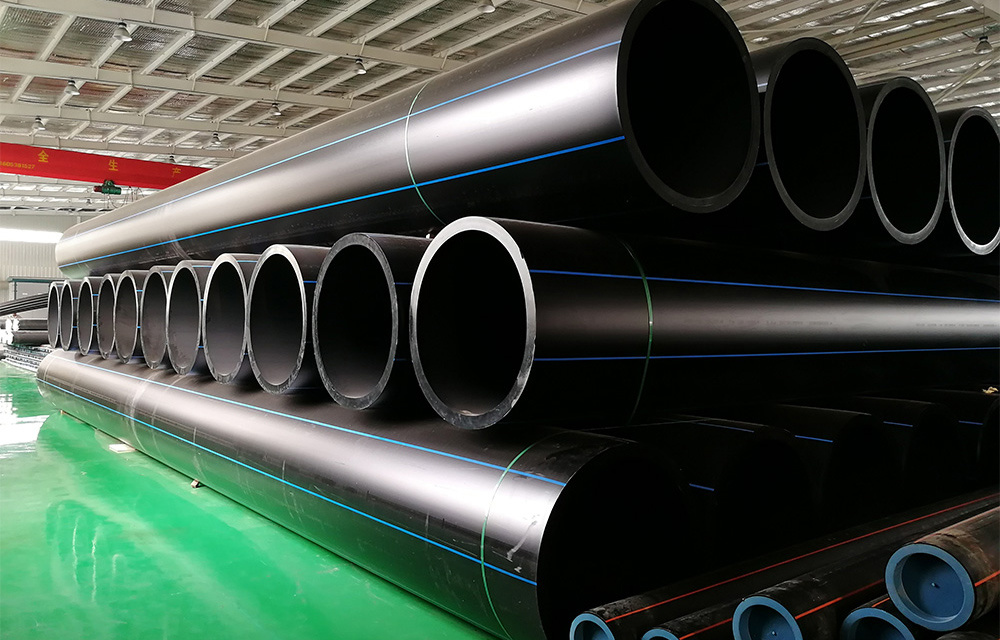
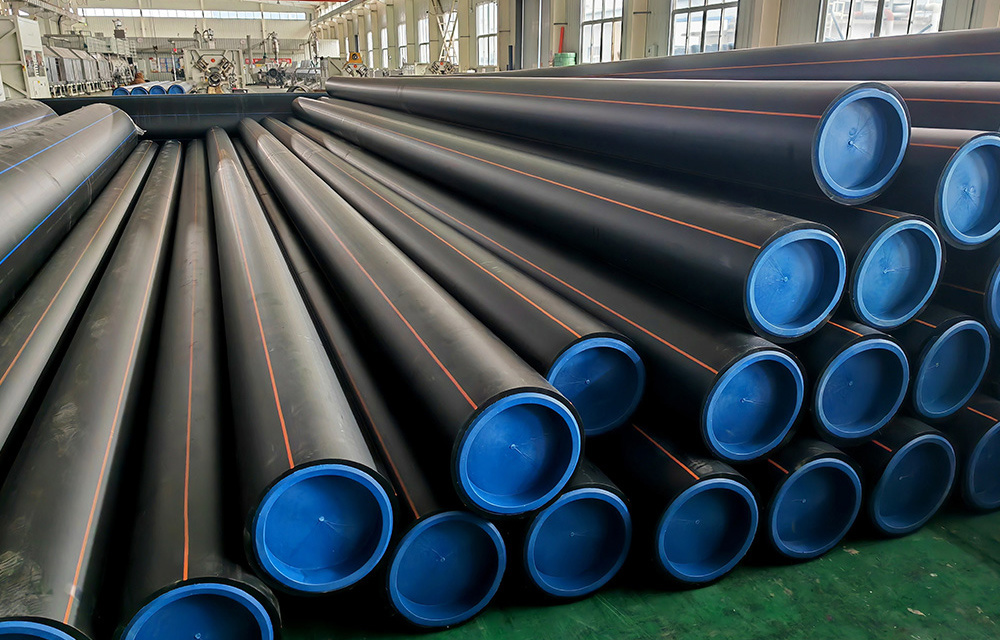
In the realm of industrial equipment and components, HDPE (High-Density Polyethylene) pipes have emerged as a pivotal choice for geothermal systems. These systems utilize the Earth's stable temperature to provide efficient heating and cooling, making them an eco-friendly alternative to traditional HVAC methods. The use of HDPE pipes in geothermal applications not only enhances system performance b
One of the most notable characteristics of HDPE pipes is their exceptional resistance to corrosion and chemical degradation. In geothermal systems, where fluids can vary in pH and temperature, this property is crucial. Unlike traditional metal pipes, HDPE does not rust or corrode over time, ensuring a long lifespan and reduced maintenance costs. This durability allows for reliable operation, even in challenging environments, making HDPE pipes a smart investment for geothermal projects.
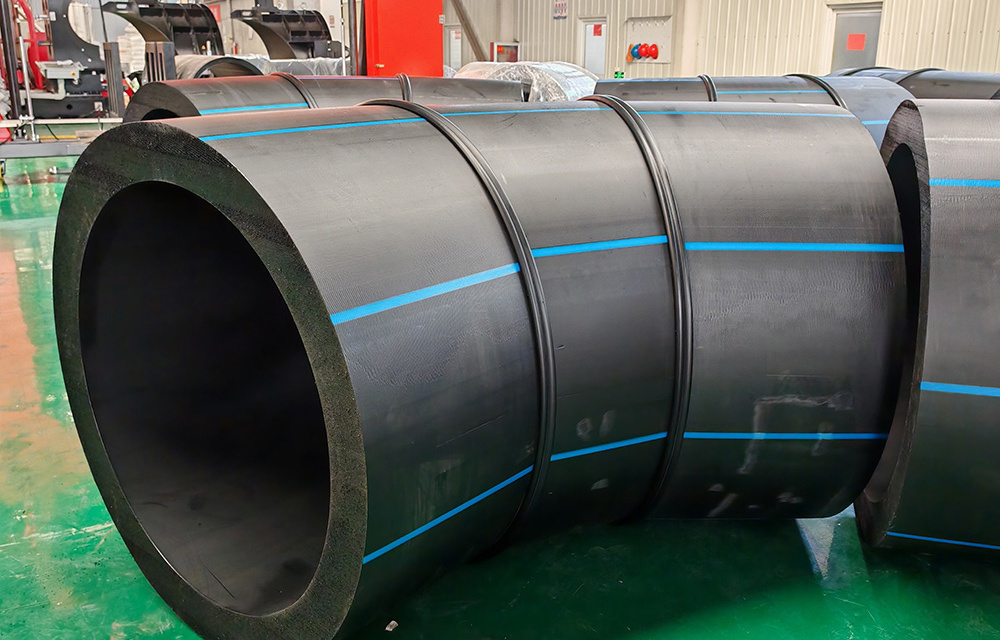
Another significant advantage of HDPE pipes is their flexibility and ease of installation. The lightweight nature of HDPE makes transportation and handling much simpler, reducing labor costs during the installation process. Additionally, HDPE's flexibility allows for easier routing around obstacles, which can save time and resources when setting up a geothermal system. The ability to fuse HDPE pipes together using heat fusion techniques further ensures a secure and leak-free connection, a vital aspect of maintaining system efficiency.
Furthermore, HDPE pipes exhibit excellent thermal properties, which is essential for the effective transfer of heat in geothermal applications. Their low thermal conductivity minimizes heat loss, enhancing the overall energy efficiency of the system. This feature not only leads to better performance but also aligns with the growing demand for energy-efficient solutions in the industrial sector.
Environmental sustainability is at the forefront of modern industrial practices, and HDPE pipes are an excellent fit for this paradigm. They are manufactured from recycled materials and are fully recyclable at the end of their lifecycle. By opting for HDPE in geothermal systems, companies can significantly reduce their carbon footprint and contribute to a greener future.
In summary, HDPE pipes play a critical role in the effectiveness and sustainability of geothermal systems. Their resistance to corrosion, ease of installation, excellent thermal properties, and environmental benefits make them an ideal choice for industrial applications. As the industry continues to evolve towards more sustainable practices, understanding the advantages of HDPE pipes will be essential for professionals looking to enhance their geothermal systems. Embracing these innovative materials not only ensures operational efficiency but also aligns with global sustainability goals.
Next Page
Previous Page
Next Page
Previous Page

Customer Service Hotline
Sales Department Email
Website (Web)
Customer Service Email
Business Cooperation Email
Address
No.32 Donghai Road, Cangzhou Development Zone, Hebei Province, China
Company Address
No. 32 Donghai Road, Cangzhou Development Zone, Hebei Province, China