


24
2025
-
11
Why HDPE Pipe is the Best Choice for Geothermal Systems
Why HDPE Pipe is the Best Choice for Geothermal Systems Table of Contents Introduction to Geothermal Systems What is HDPE Pipe? Advantages of HDPE Pipe for Geothermal Systems Durability and Longevity Corrosion Resistance Flexibility and Ease of Installation Cost-Effectiveness Installation of HDPE Pipes in Geothermal
Why HDPE Pipe is the Best Choice for Geothermal Systems
Table of Contents
- Introduction to Geothermal Systems
- What is HDPE Pipe?
- Advantages of HDPE Pipe for Geothermal Systems
- Durability and Longevity
- Corrosion Resistance
- Flexibility and Ease of Installation
- Cost-Effectiveness
- Installation of HDPE Pipes in Geothermal Systems
- Maintenance and Care of HDPE Pipes
- Environmental Benefits of Using HDPE Pipe
- Real-World Examples of HDPE in Geothermal Applications
- FAQs About HDPE Pipe and Geothermal Systems
- Conclusion
Introduction to Geothermal Systems
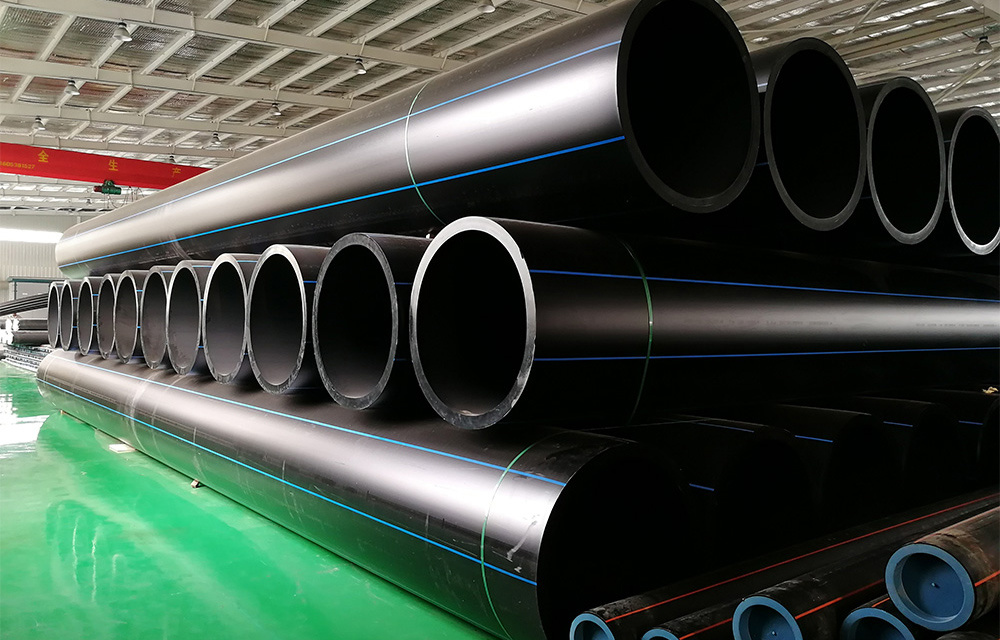
Geothermal systems harness the natural heat stored beneath the Earth's surface to provide sustainable heating and cooling solutions for residential and commercial buildings. This renewable energy source is both efficient and environmentally friendly, making it an increasingly popular choice for energy-conscious individuals. The effectiveness of a geothermal system significantly depends on the quality of the piping used to circulate the fluid that absorbs or dissipates heat. **High-Density Polyethylene (HDPE) pipes** have emerged as the premier choice for these systems due to their unique properties and advantages.
What is HDPE Pipe?
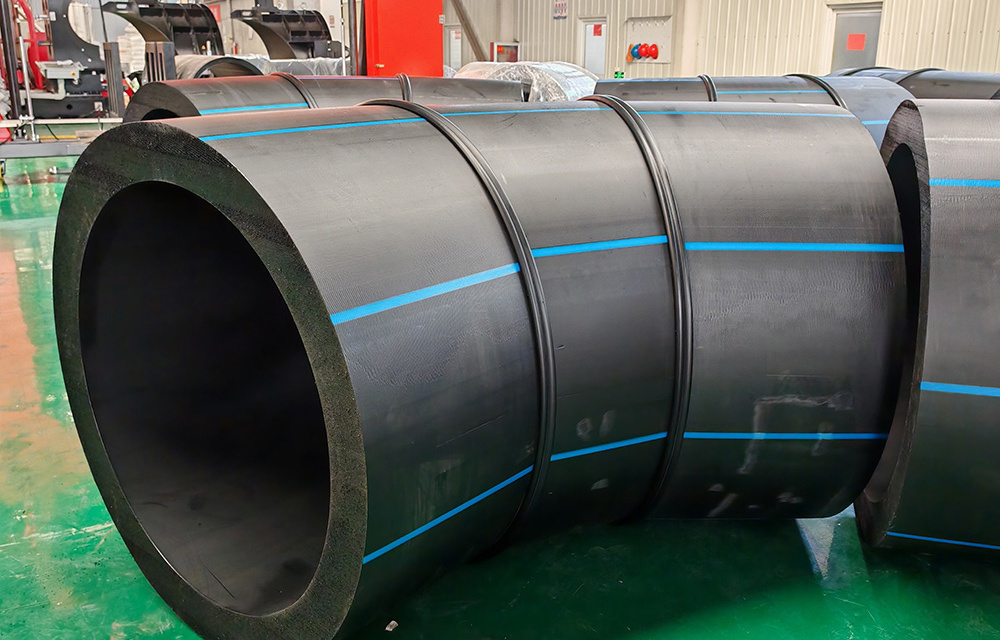
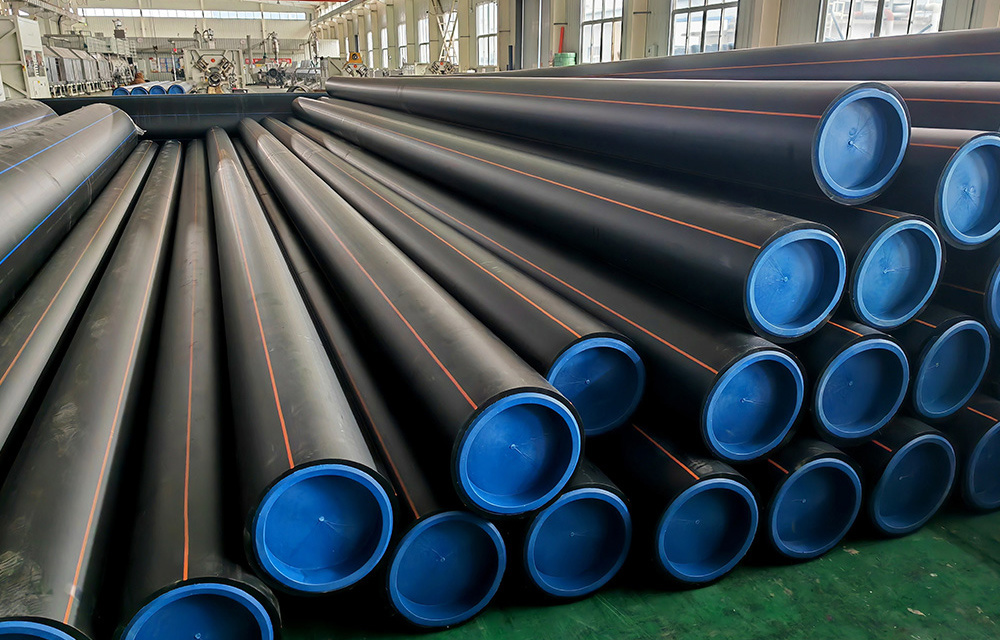
HDPE, or High-Density Polyethylene, is a robust plastic material known for its high strength-to-density ratio. Manufactured from petroleum, HDPE is used in various applications, including piping systems, due to its durability, chemical resistance, and flexibility. In geothermal systems, HDPE pipes are typically used for ground loops and other components meant to transfer heat efficiently.
Advantages of HDPE Pipe for Geothermal Systems
The advantages of HDPE pipes make them particularly well-suited for geothermal applications.
Durability and Longevity
One of the most significant benefits of HDPE pipes is their **incredible durability**. These pipes are designed to withstand harsh environmental conditions, including soil movement, temperature fluctuations, and high-pressure applications. HDPE can last over 50 years without significant degradation, making it a long-term investment for geothermal systems.
Corrosion Resistance
Unlike traditional metal pipes, **HDPE is inherently resistant to corrosion** and chemical damage. In geothermal systems, where the transported fluids may contain minerals and other corrosive agents, HDPE ensures a longer lifespan without the risk of leaks or failures caused by rust or corrosion. This resistance enhances the system's efficiency and reduces maintenance costs.
Flexibility and Ease of Installation
**HDPE pipes are exceptionally flexible**, allowing for easier installation, particularly in challenging terrains. This flexibility enables the pipes to bend and curve without compromising their integrity, reducing the need for additional fittings and joints. Fewer joints result in decreased potential for leaks, enhancing the reliability of the geothermal system.
Cost-Effectiveness
While the initial investment in HDPE pipes may be higher than traditional alternatives, the **long-term savings** far outweigh the upfront costs. The reduced maintenance requirements, longevity, and energy efficiency contribute to lower operational costs over the life of the geothermal system. Additionally, HDPE’s lightweight nature reduces transportation and handling costs.
Installation of HDPE Pipes in Geothermal Systems
Proper installation is crucial to maximizing the benefits of HDPE pipes in geothermal systems. The installation process involves several steps:
1. **Site Assessment**: Understanding the geothermal potential of the site is essential. Factors such as soil composition and groundwater levels can impact the efficiency of the system.
2. **Designing the Loop System**: The configuration of the ground loop (vertical, horizontal, or pond loop) is determined based on the site's characteristics and the building's heating and cooling needs.
3. **Excavation and Trenching**: For horizontal loops, trenches are dug to accommodate the HDPE pipes. The depth and width of the trenches depend on local regulations and the loop design.
4. **Pipe Installation**: HDPE pipes are laid in the trenches according to the designed configuration. Care is taken to ensure that the pipes are free from kinks and bends beyond their allowable limits.
5. **Connection and Testing**: The loops are connected to the geothermal heat pump, and the system is tested for leaks and efficiency before backfilling the trenches.
Proper installation ensures that the geothermal system operates efficiently and achieves its expected performance.
Maintenance and Care of HDPE Pipes
One of the many advantages of using HDPE pipes in geothermal systems is their low maintenance requirements. However, periodic checks can help ensure optimal performance:
- **Visual Inspections**: Regularly inspect exposed sections of the piping for signs of damage or wear.
- **Monitor System Performance**: Keep track of the heating and cooling efficiency. Sudden drops in performance may indicate potential issues within the system.
- **Flush the System**: Periodically flushing the geothermal system can help remove any sediment or buildup that could hinder efficiency.
With minimal maintenance, HDPE pipes continue to provide reliable service throughout the lifespan of the geothermal setup.
Environmental Benefits of Using HDPE Pipe
The environmental advantages of HDPE pipes further enhance their appeal for geothermal systems:
- **Reduced Carbon Footprint**: Utilizing geothermal energy significantly lowers greenhouse gas emissions compared to traditional heating and cooling systems. With HDPE pipes facilitating this process, the overall carbon footprint of buildings is reduced.
- **Recyclability**: At the end of its lifecycle, HDPE can be recycled, contributing to a circular economy. This feature makes it an environmentally responsible choice for piping materials.
- **Sustainable Resource Utilization**: Geothermal systems harness the Earth's natural energy, and HDPE pipes efficiently facilitate this process, promoting sustainable energy use.
By choosing HDPE pipes in geothermal systems, builders and homeowners can contribute to a more sustainable future.
Real-World Examples of HDPE in Geothermal Applications
Several successful installations of geothermal systems utilizing HDPE pipes serve as excellent case studies:
1. **Residential Projects**: Many homeowners have opted for geothermal systems with HDPE pipes in regions with extreme climates. These systems provide consistent comfort and significant energy savings.
2. **Commercial Installations**: Large commercial buildings have successfully implemented geothermal systems using HDPE piping to meet their heating and cooling needs efficiently. These installations have demonstrated substantial reductions in energy costs.
3. **Public Infrastructure**: Municipal buildings and schools are increasingly adopting geothermal systems with HDPE piping, showcasing both environmental responsibility and operational efficiency.
These examples highlight the versatility and effectiveness of HDPE pipes in various geothermal applications.
FAQs About HDPE Pipe and Geothermal Systems
What is the lifespan of HDPE pipes in geothermal systems?
HDPE pipes can last over 50 years with proper installation and maintenance, making them a durable choice for geothermal systems.
Are HDPE pipes resistant to chemical damage?
Yes, HDPE pipes are resistant to a wide range of chemicals, making them ideal for geothermal applications where corrosive fluids may be present.
How do HDPE pipes compare to PVC pipes for geothermal systems?
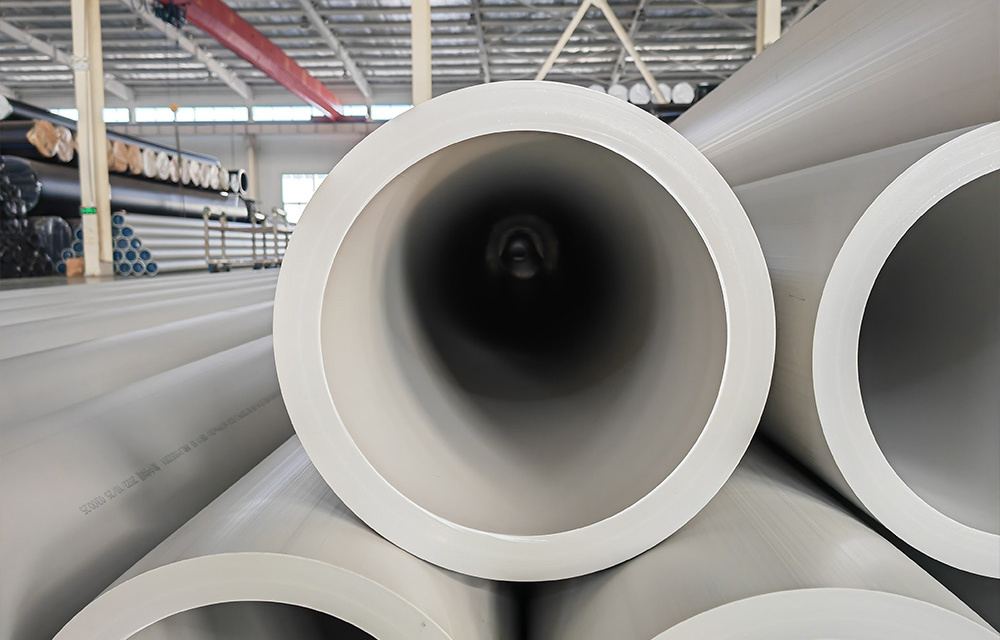
While PVC pipes are less expensive, they are not as durable or flexible as HDPE, making HDPE a superior choice for geothermal systems.
Can HDPE pipes be used for both heating and cooling in geothermal systems?
Yes, HDPE pipes are versatile and can effectively transfer heat for both heating and cooling applications in geothermal systems.
What maintenance is required for HDPE pipes in geothermal systems?
HDPE pipes require minimal maintenance, but regular visual inspections and performance monitoring are recommended to ensure efficiency.
Conclusion
In summary, **HDPE pipes stand out as the best choice for geothermal systems** due to their durability, flexibility, and resistance to corrosion. These pipes contribute to the efficiency and longevity of geothermal installations while offering significant economic and environmental benefits. As the demand for sustainable energy solutions continues to grow, the adoption of HDPE piping in geothermal systems will play a crucial role in achieving energy efficiency and environmental responsibility. By choosing HDPE pipes, homeowners and businesses alike can invest in a future that prioritizes efficient energy use and sustainability.

Customer Service Hotline
Sales Department Email
Website (Web)
Customer Service Email
Business Cooperation Email
Address
No.32 Donghai Road, Cangzhou Development Zone, Hebei Province, China
Company Address
No. 32 Donghai Road, Cangzhou Development Zone, Hebei Province, China