


22
2025
-
11
The Environmental Benefits of Using PE4710 Pipe in Pipelines
The Environmental Benefits of Using PE4710 Pipe in Pipelines Introduction to PE4710 Pipe Technology In the ever-evolving landscape of metallurgy, minerals, and energy, the selection of materials for pipelines plays a pivotal role in ensuring environmental sustainability. The **PE4710 pipe** has emerged as a revolutionary option in this field, offering numerous benefits that align with global effor
The Environmental Benefits of Using PE4710 Pipe in Pipelines
Introduction to PE4710 Pipe Technology
In the ever-evolving landscape of metallurgy, minerals, and energy, the selection of materials for pipelines plays a pivotal role in ensuring environmental sustainability. The **PE4710 pipe** has emerged as a revolutionary option in this field, offering numerous benefits that align with global efforts to reduce environmental damage. This article provides an in-depth exploration of the environmental advantages of adopting PE4710 pipe technology in pipelines.
What is PE4710 Pipe?
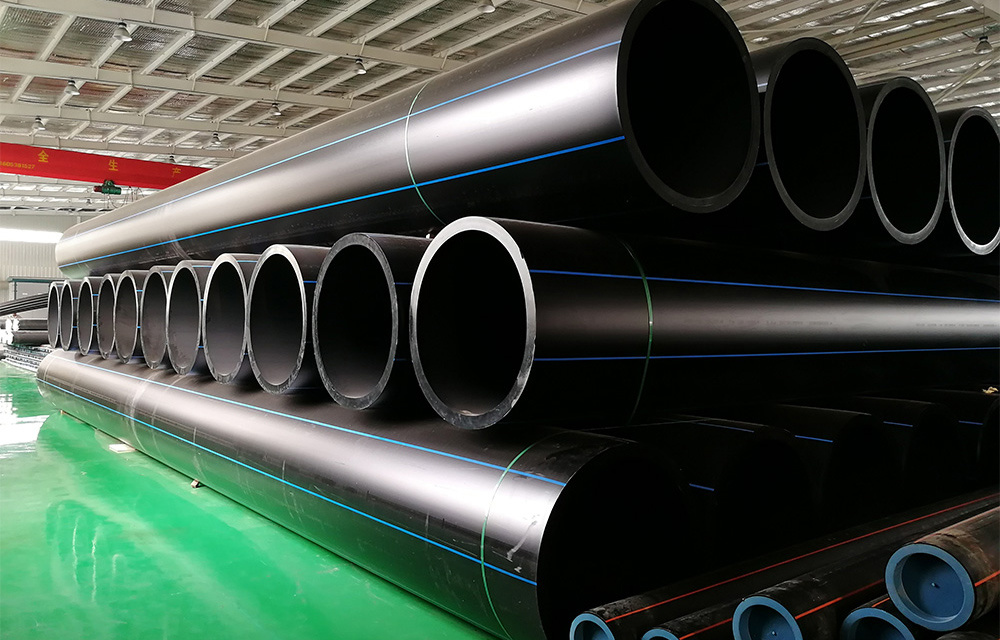
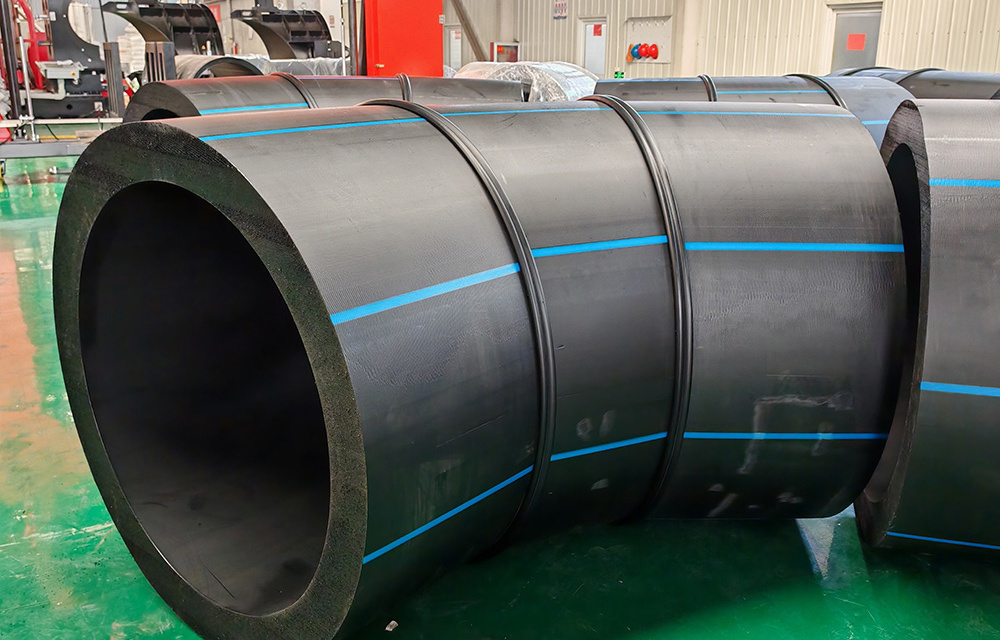
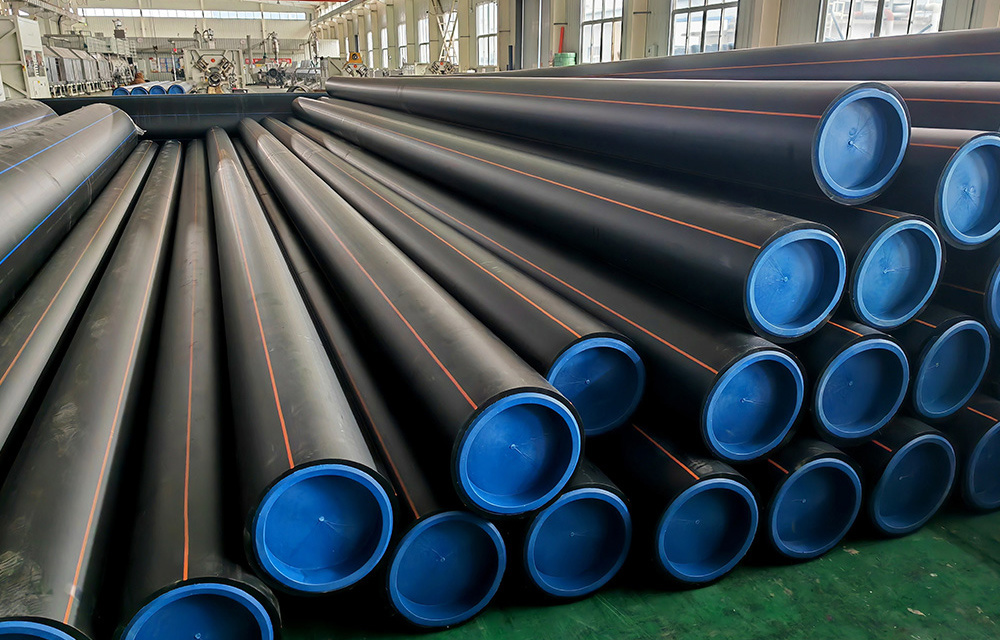
PE4710 is a type of polyethylene pipe that meets stringent industry standards for pressure and durability. The designation "4710" refers to its material classification, which indicates that it has superior resistance to stress cracking, high-density polyethylene (HDPE) properties, and enhanced performance metrics compared to traditional pipe materials.
Key Characteristics of PE4710 Pipe
The standout features of PE4710 pipe include:
- **High resistance to environmental stress:** This material exhibits remarkable durability under various environmental conditions, minimizing the risk of leaks.
- **Excellent chemical resistance:** PE4710 is immune to many chemicals, making it suitable for transporting diverse fluids without degradation.
- **Low thermal conductivity:** This property helps prevent heat loss in heating applications, contributing to energy efficiency.
The Environmental Impact of Pipeline Infrastructure
Pipeline infrastructures, while essential for transporting resources like water, oil, and gas, can significantly impact the environment if not managed properly. Traditional pipeline materials often contribute to environmental degradation through leaks, ruptures, and emissions.
Common Environmental Challenges in Pipeline Construction
- **Land disturbance:** Conventional pipeline installation often requires extensive land clearing, disrupting ecosystems.
- **Water contamination risks:** Leaks from traditional pipes can lead to soil and water contamination, threatening local wildlife and human health.
- **Greenhouse gas emissions:** Inefficient materials can exacerbate emissions during production and transportation processes.
How PE4710 Pipe Mitigates Environmental Risks
By integrating PE4710 pipe into pipelines, environmental risks can be significantly reduced. The following sections outline the specific environmental benefits associated with PE4710 technology.
1. Reduced Leakage and Breakage
The robust design of PE4710 pipe minimizes the risk of leaks and breaks. This durability translates to increased reliability in fluid transportation, ultimately reducing the likelihood of environmental contamination. **Leak prevention** is crucial in safeguarding natural resources and local ecosystems.
2. Lower Carbon Footprint During Production
The production of PE4710 pipe requires less energy and fewer resources compared to traditional materials like steel or concrete. This translates to a **lower carbon footprint** in the manufacturing process, contributing to overall sustainability goals.
3. Lightweight and Easy to Install
PE4710 pipes are significantly lighter than their counterparts, allowing for easier handling and installation. This **reduces transportation emissions and labor costs**, making it a more environmentally friendly option throughout its lifecycle.
4. Longevity and Reduced Maintenance
Due to their superior durability, PE4710 pipes require less frequent replacement, minimizing the environmental impact associated with manufacturing and disposing of pipe materials. This **longevity** leads to lower resource consumption over time.
5. Recyclability of PE4710 Materials
PE4710 pipes can be recycled at the end of their lifecycle, contributing to a circular economy. The ability to recycle these materials helps reduce waste and supports sustainability initiatives within the pipeline industry.
Real-World Applications of PE4710 Pipe
PE4710 pipes are increasingly being adopted across various sectors, including residential, commercial, and industrial applications. Their versatility makes them suitable for:
1. Water Distribution Systems
PE4710 pipes are ideal for municipal water systems, where resistance to corrosion and chemicals is essential for maintaining water quality.
2. Oil and Gas Pipelines
In the oil and gas sector, PE4710 pipes provide a safe alternative for transporting hydrocarbons, reducing the risks of spills and leaks that can harm the environment.
3. Geothermal Applications
The thermal properties of PE4710 make it an excellent choice for geothermal energy systems, enhancing efficiency and minimizing energy loss.
Challenges and Considerations in Adopting PE4710 Pipe
While the advantages of PE4710 pipe are significant, there are challenges associated with its adoption that stakeholders must consider.
1. Initial Cost Investment
The upfront costs associated with switching to PE4710 pipes can be higher than traditional materials. However, the long-term benefits often outweigh these initial expenditures.
2. Technical Expertise Required
Proper installation and maintenance of PE4710 pipes require specialized knowledge. Investing in training and expertise can mitigate potential issues and ensure optimal performance.
Frequently Asked Questions (FAQs)
1. What makes PE4710 pipes environmentally friendly?
PE4710 pipes are lightweight, durable, and resistant to leaks, reducing environmental contamination and resource consumption.
2. Can PE4710 pipes be recycled?
Yes, PE4710 pipes can be recycled, contributing to a circular economy and reducing waste.
3. Are PE4710 pipes suitable for high-pressure applications?
Yes, PE4710 pipes are designed to handle high-pressure situations, making them versatile for various pipeline needs.
4. What industries can benefit from using PE4710 pipes?
Industries such as water distribution, oil and gas, and geothermal energy can all benefit from the adoption of PE4710 pipes.
5. How do PE4710 pipes compare to traditional materials like steel?
PE4710 pipes are lighter, more resistant to corrosion, and have a lower carbon footprint during production compared to steel pipes.
Conclusion: Embracing Sustainable Pipeline Solutions with PE4710 Pipe
The integration of PE4710 pipe technology into pipeline systems represents a significant advancement in the quest for environmental sustainability within the metallurgy, minerals, and energy sectors. By addressing critical environmental challenges—such as leakage, carbon footprint, and resource consumption—PE4710 pipes offer a viable solution for modern infrastructure needs. As industries increasingly embrace these technological advancements, the potential for a greener future becomes more attainable. Transitioning to PE4710 pipes is not just a choice; it is a commitment to creating a sustainable world for generations to come.

Customer Service Hotline
Sales Department Email
Website (Web)
Customer Service Email
Business Cooperation Email
Address
No.32 Donghai Road, Cangzhou Development Zone, Hebei Province, China
Company Address
No. 32 Donghai Road, Cangzhou Development Zone, Hebei Province, China