


21
2025
-
11
Understanding PE4710 Pipe: A Comprehensive Guide for the Metallurgy and Energy Industry
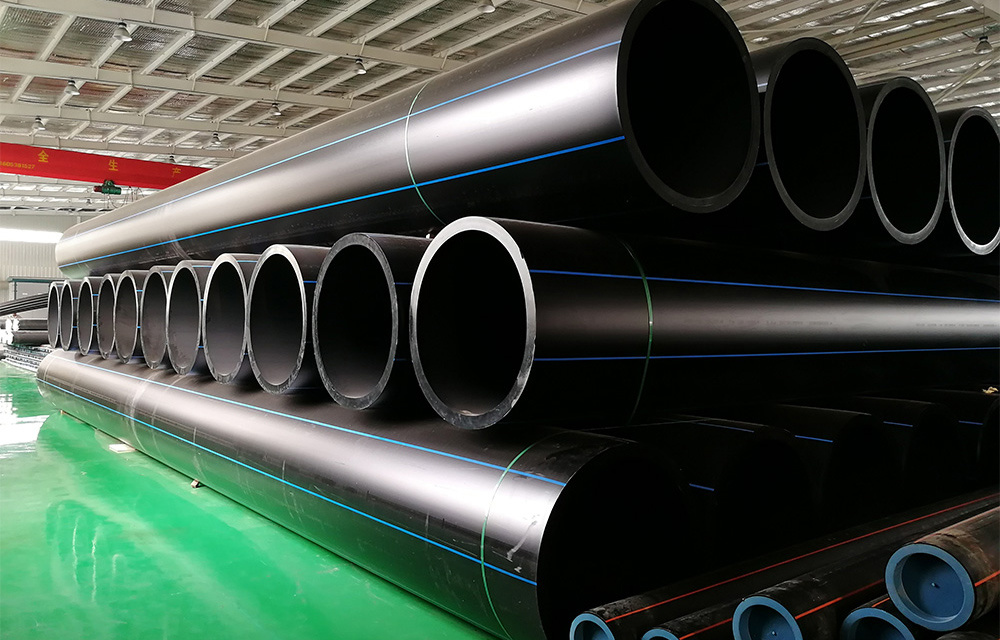
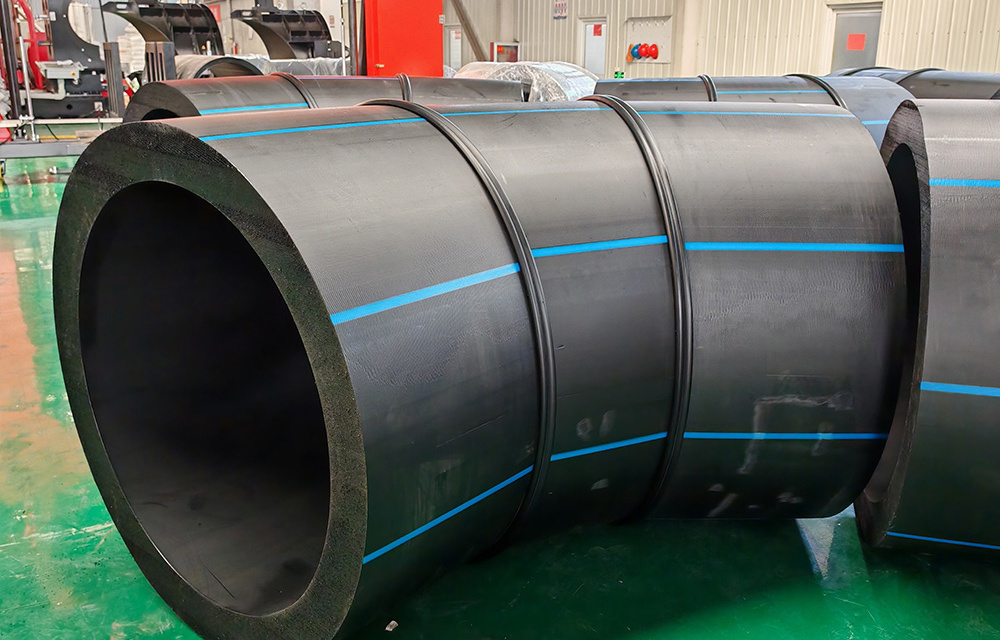
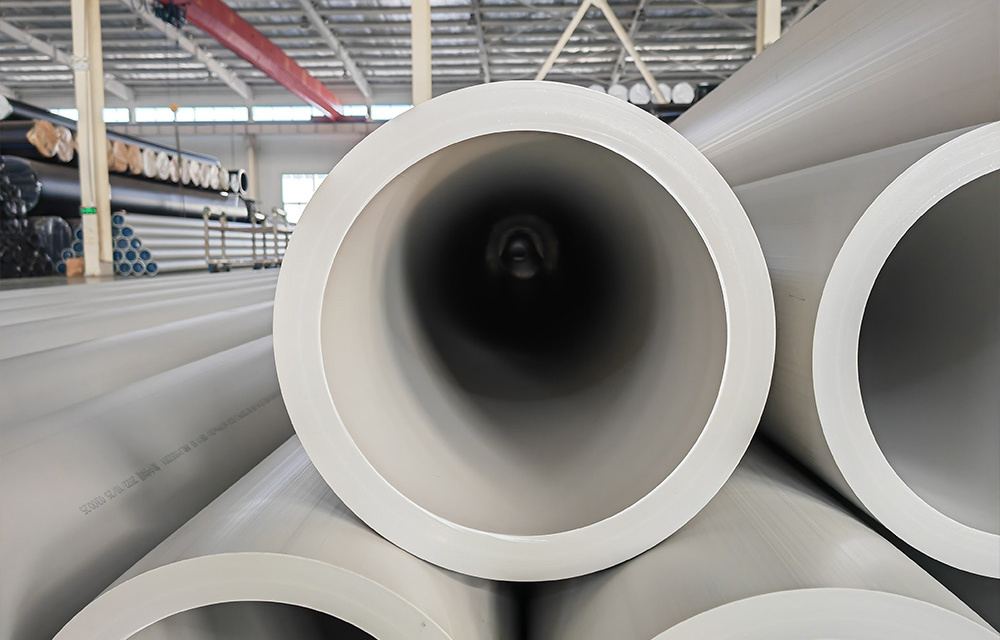
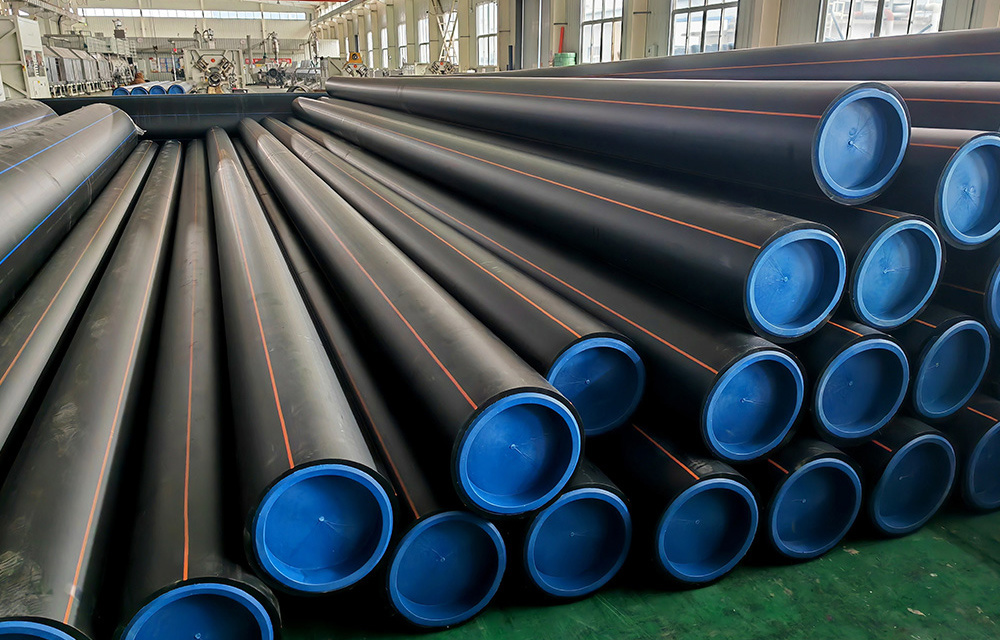
Polyethylene (PE) pipes have become a fundamental component in various industries, particularly in metallurgy, mining, and energy. Among these, PE4710 pipes stand out due to their superior properties and versatility. This article delves into the specifics of PE4710 pipes, highlighting their applications and benefits. PE4710 denotes a high-density polyethylene (HDPE) material that meets specific pe
PE4710 denotes a high-density polyethylene (HDPE) material that meets specific performance requirements. It is designed for demanding applications, particularly in gas distribution and potable water systems. The designation PE4710 indicates a material with enhanced strength and resistance to environmental stress cracking, making it ideal for challenging conditions.
One of the key features of PE4710 pipes is their resistance to corrosion and chemical degradation. Unlike traditional metal pipes, PE4710 pipes do not rust or corrode, which significantly extends their life span and reduces maintenance costs. This property is particularly advantageous in mining and metallurgy, where pipelines are often exposed to harsh chemicals and corrosive environments.
Additionally, PE4710 pipes offer excellent flexibility and impact resistance. This allows for easier installation, especially in rugged terrains where traditional rigid pipes may fail. The lightweight nature of PE4710 also simplifies transportation and handling, making it an economical choice for large-scale projects.
When it comes to thermal performance, PE4710 has a good resistance to temperature variations, allowing it to maintain structural integrity under varying environmental conditions. This characteristic is crucial in energy applications, where temperature fluctuations can be extreme.
Another significant advantage of PE4710 pipes is their low friction coefficient. This property results in improved flow rates, which can be pivotal in applications requiring efficient transport of fluids. Whether it's in gas distribution systems or transporting water in mining operations, the enhanced flow characteristics of PE4710 can contribute to overall system efficiency.
It is also worth noting that the installation of PE4710 pipes is generally simpler and faster compared to metal alternatives. They can be joined using heat fusion techniques, which create strong, leak-free joints. This not only speeds up the installation process but also improves the overall reliability of the pipeline system.
In conclusion, PE4710 pipes represent a significant advancement in pipeline technology. Their unique properties make them suitable for various applications within the metallurgy, mining, and energy sectors. By choosing PE4710, professionals in these industries can ensure they are utilizing a robust, efficient, and cost-effective piping solution that meets the demands of modern infrastructure. When considering pipeline options, the features and benefits of PE4710 should not be overlooked, as they can play a crucial role in enhancing project outcomes.

Customer Service Hotline
Sales Department Email
Website (Web)
Customer Service Email
Business Cooperation Email
Address
No.32 Donghai Road, Cangzhou Development Zone, Hebei Province, China
Company Address
No. 32 Donghai Road, Cangzhou Development Zone, Hebei Province, China