


06
2025
-
11
How PE100 Water Supply Pipes Enhance Water Safety and Efficiency
How PE100 Water Supply Pipes Enhance Water Safety and Efficiency Table of Contents 1. Introduction to PE100 Water Supply Pipes 2. Advantages of PE100 Water Supply Pipes 2.1 Durability and Longevity 2.2 Corrosion Resistance 2.3 Reduced Risk of Leakage 3. Applications of PE100 Water Supply Pipes 3.1 Drinking Wate
How PE100 Water Supply Pipes Enhance Water Safety and Efficiency
Table of Contents
- 1. Introduction to PE100 Water Supply Pipes
- 2. Advantages of PE100 Water Supply Pipes
- 3. Applications of PE100 Water Supply Pipes
- 4. Installation Best Practices for PE100 Pipes
- 5. Maintenance of PE100 Water Supply Systems
- 6. Environmental Impact and Sustainability
- 7. The Future of Water Supply Solutions
- 8. Frequently Asked Questions (FAQs)
- 9. Conclusion
1. Introduction to PE100 Water Supply Pipes
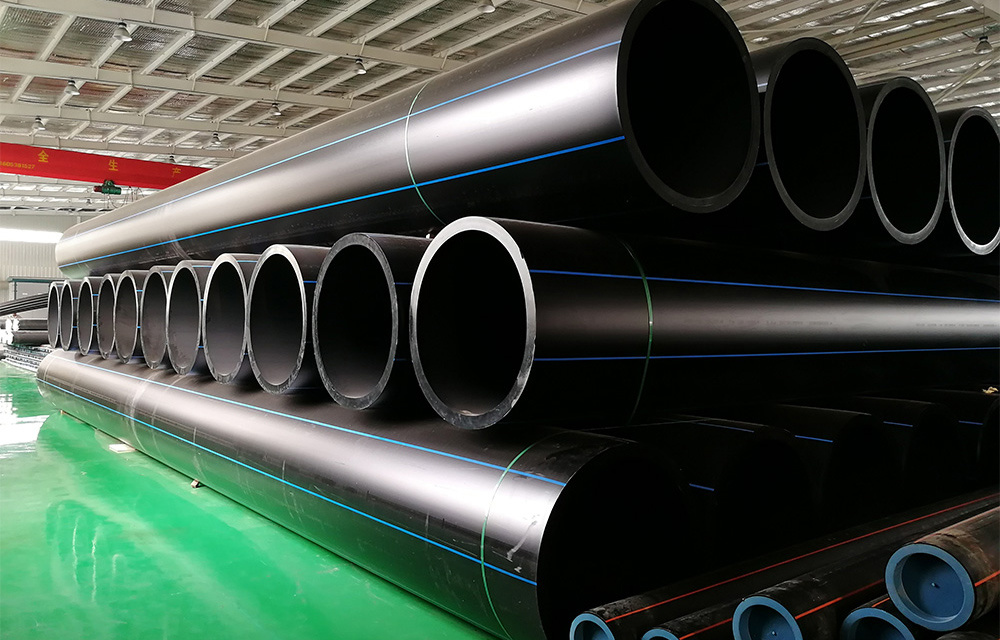
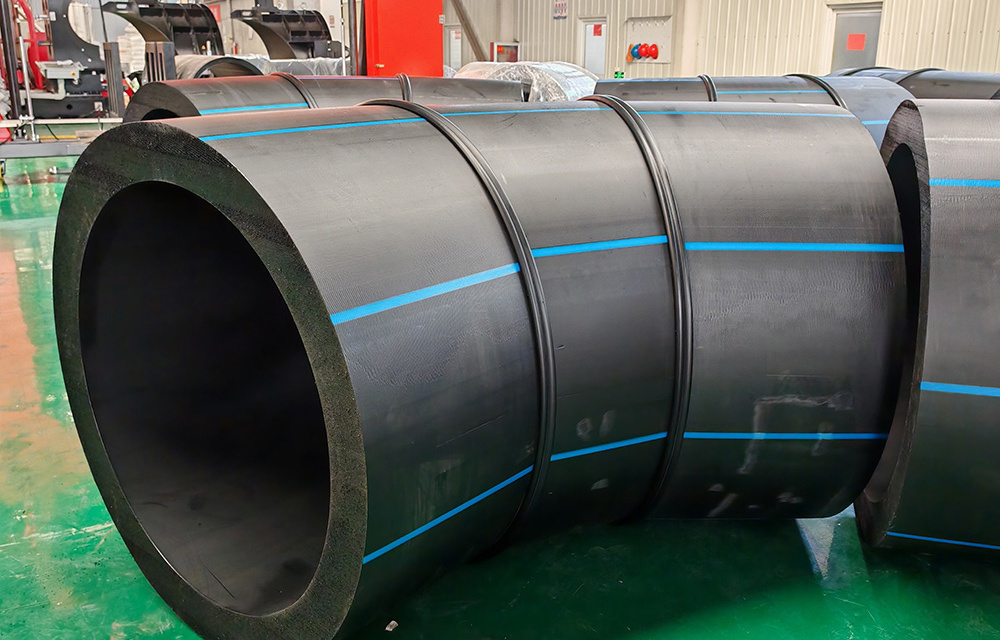
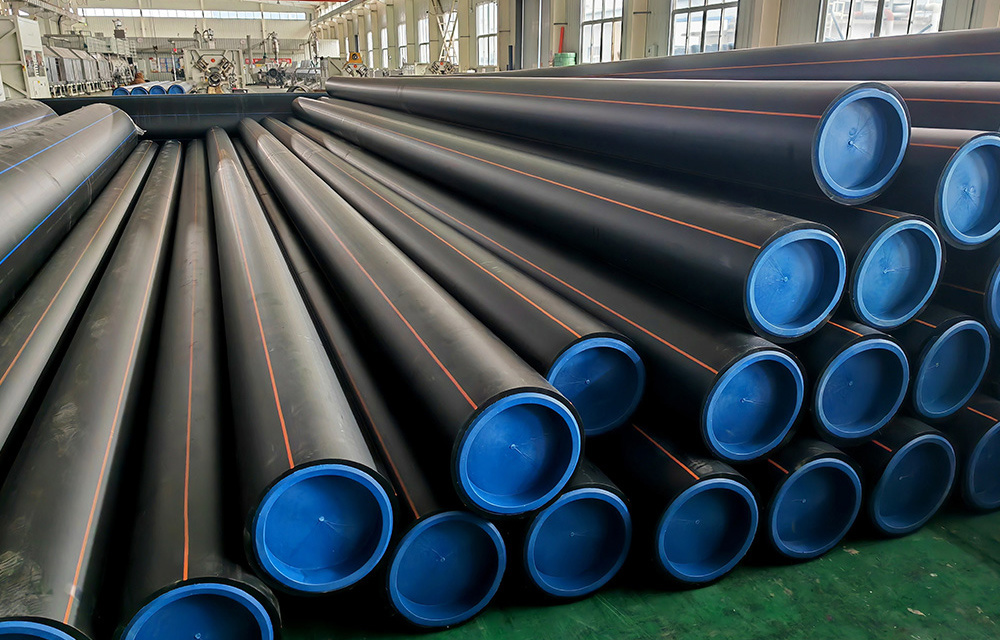
Polyethylene (PE) pipes have become a cornerstone in water supply systems due to their unique properties. Among the various grades, **PE100** has emerged as a preferred choice for various applications. Not only do these pipes provide a reliable solution for water transport, but they also significantly enhance **water safety** and **efficiency**. With a focus on strength, flexibility, and resistance to environmental stress, PE100 pipes are designed to meet modern standards for safe drinking water.
The manufacturing process of PE100 involves a high-density polyethylene, which is processed to enhance its properties, making it suitable for various applications, including potable water supply. This article delves into the numerous benefits and applications of PE100 water supply pipes, installation best practices, maintenance requirements, and their environmental impact.
2. Advantages of PE100 Water Supply Pipes
The choice of piping material can dramatically influence the overall efficiency and safety of water supply systems. PE100 pipes stand out for several compelling reasons.
2.1 Durability and Longevity
Durability is a crucial factor in any water supply infrastructure. PE100 pipes boast exceptional **durability**, typically having a service life of over 50 years. The pipes can withstand extreme weather conditions, making them ideal for various climates and geographic areas. Their ability to handle high pressure without cracking or deforming ensures a long-lasting solution for water transport.
2.2 Corrosion Resistance
One of the most significant advantages of PE100 pipes is their **corrosion resistance**. Unlike traditional metal pipes, which can corrode over time, PE100 pipes do not rust or degrade when exposed to water and soil conditions. This property not only contributes to the longevity of the pipes but also maintains the quality of the water being transported, ensuring that it remains free from contaminants.
2.3 Reduced Risk of Leakage
Leakage is a prevalent issue in water supply systems, often resulting in substantial water loss and increased maintenance costs. PE100 pipes significantly reduce the risk of leakage due to their seamless construction and flexibility. The ability to expand and contract with temperature changes minimizes the likelihood of joint failures or cracks, leading to a more reliable water supply.
3. Applications of PE100 Water Supply Pipes
The versatility of PE100 pipes allows them to be used in various applications across different sectors.
3.1 Drinking Water Supply
One of the primary applications of PE100 pipes is in the **drinking water supply** sector. Their compliance with health and safety regulations makes them an ideal choice for transporting potable water. The smooth inner surface of these pipes ensures minimal friction loss, which translates to efficient water flow and reduced energy consumption in pumping systems.
3.2 Agricultural Irrigation Systems
In agricultural settings, PE100 pipes are widely used for **irrigation systems**. Their flexibility allows for easy installation and adaptation to various terrains, facilitating efficient water distribution for crops. Additionally, their resistance to UV radiation ensures that the pipes maintain their integrity, even when exposed to sunlight for extended periods.
3.3 Industrial Applications
Beyond residential and agricultural uses, PE100 pipes also find applications in **industrial settings**. They are suitable for transporting water, chemicals, and other fluids across various industries. The pipes’ robustness and resistance to corrosive substances make them an excellent choice for demanding industrial environments.
4. Installation Best Practices for PE100 Pipes
Proper installation is critical to maximizing the performance of PE100 water supply pipes. Here are some best practices to consider:
- **Site Assessment:** Before installation, conduct a thorough site assessment to determine soil conditions, potential obstacles, and any necessary permits.
- **Trenching:** Ensure that trenches are adequately sized and free from sharp objects that could damage the pipes. The recommended depth and width depend on the diameter of the pipes being installed.
- **Joining Methods:** Use appropriate joining methods, such as butt fusion or electrofusion, to ensure strong and reliable connections between pipe sections.
- **Testing:** After installation, conduct pressure testing to verify the integrity of the system and identify any potential leaks before the system goes live.
5. Maintenance of PE100 Water Supply Systems
While PE100 pipes are designed for longevity and reduced maintenance requirements, regular checks can help ensure optimal performance.
- **Visual Inspections:** Conduct periodic visual inspections to identify any signs of surface damage or external influences that could affect the pipes.
- **Leak Detection:** Implement leak detection systems to monitor water loss and pressure fluctuations, allowing for timely repairs.
- **Cleaning:** Maintain the cleanliness of the system by flushing it periodically to remove any sediment or buildup that could impede flow.
6. Environmental Impact and Sustainability
The environmental impact of water supply systems is an important consideration in today's world. PE100 pipes contribute positively in several ways:
- **Recyclability:** PE100 materials can be recycled at the end of their lifespan, reducing waste and promoting sustainability.
- **Energy Efficiency:** The lightweight nature of PE100 pipes requires less energy for transportation and installation, which reduces the overall carbon footprint associated with water supply systems.
- **Reduced Water Loss:** By minimizing leakage, PE100 pipes help conserve water resources, an essential aspect of sustainable water management.
7. The Future of Water Supply Solutions
As urbanization and population growth continue to strain water resources, the demand for efficient and reliable water supply solutions is increasing. The future of water distribution will likely see a greater reliance on advanced materials like PE100 due to their numerous benefits. Innovations in manufacturing and installation techniques are expected to further enhance the performance and applications of these pipes, making them indispensable in modern infrastructure.
8. Frequently Asked Questions (FAQs)
What is PE100?
PE100 is a grade of polyethylene pipe that offers enhanced strength and durability, making it suitable for high-pressure applications in water supply systems.
How long do PE100 pipes last?
PE100 pipes typically have a service life of over 50 years, depending on environmental conditions and maintenance practices.
Can PE100 pipes be used for drinking water?
Yes, PE100 pipes are approved for potable water applications, ensuring safe transport of drinking water without contamination.
Are PE100 pipes resistant to UV rays?
Yes, PE100 pipes have UV resistance, allowing them to maintain structural integrity even when exposed to sunlight over long periods.
What joining methods are best for PE100 pipes?
Common joining methods for PE100 pipes include butt fusion and electrofusion, both of which create strong, seamless connections that enhance the reliability of the system.
9. Conclusion
PE100 water supply pipes represent a critical advancement in ensuring water safety and efficiency in modern infrastructure. Their durability, resistance to corrosion, minimal risk of leakage, and versatility across applications make them a top choice for various sectors, including drinking water supply, agriculture, and industry. By embracing proper installation and maintenance practices, we can maximize the benefits of these innovative pipes. As we look to the future, PE100 pipes will undoubtedly play a vital role in addressing the challenges of water distribution and management, paving the way for a more sustainable and efficient water supply system.

Customer Service Hotline
Sales Department Email
Website (Web)
Customer Service Email
Business Cooperation Email
Address
No.32 Donghai Road, Cangzhou Development Zone, Hebei Province, China
Company Address
No. 32 Donghai Road, Cangzhou Development Zone, Hebei Province, China