


05
2025
-
11
Understanding PE100 Water Supply Pipes: Essential Insights for Professionals
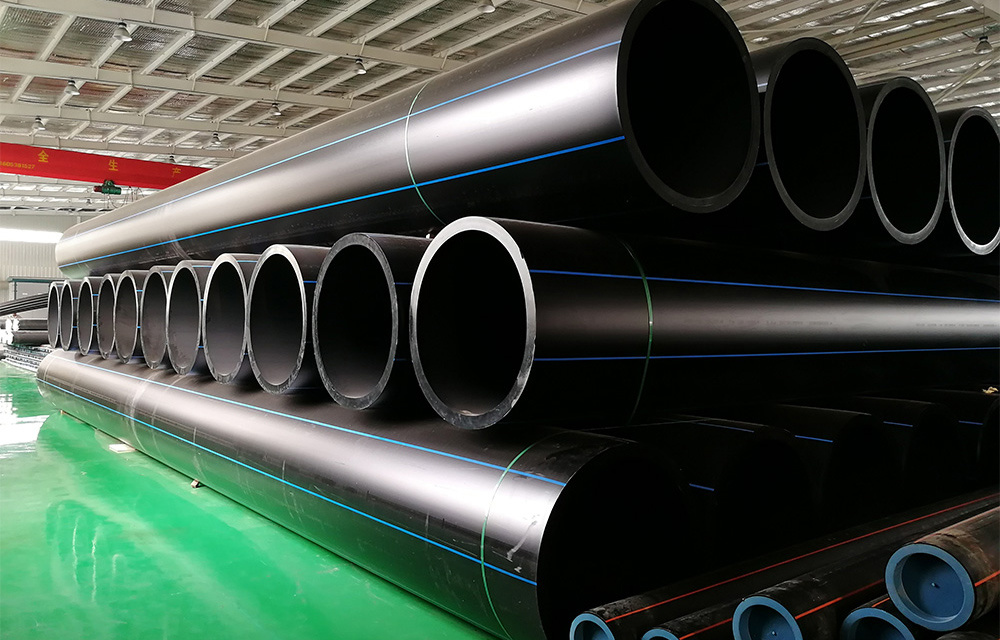
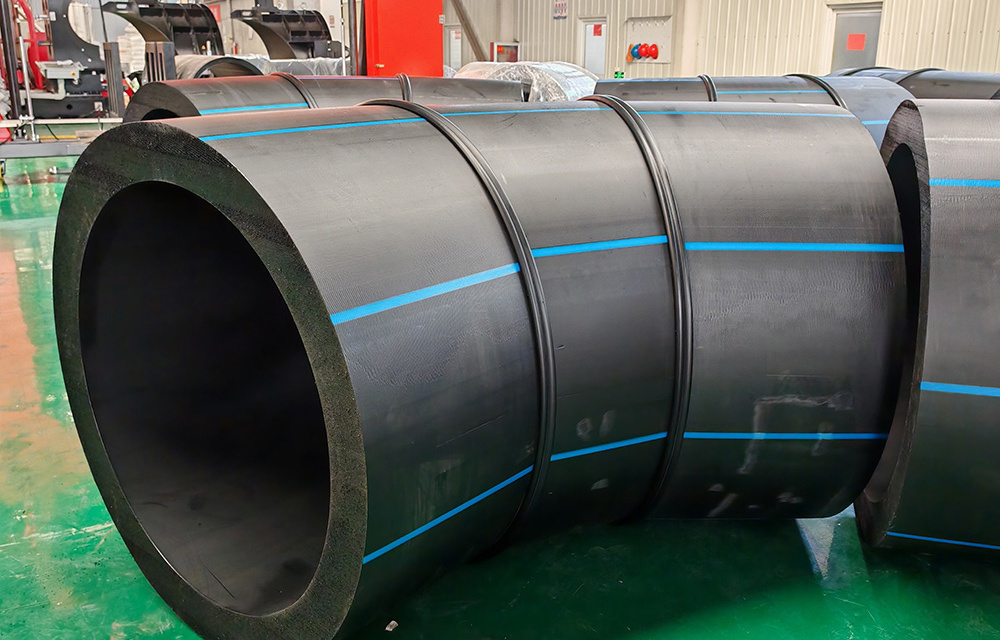
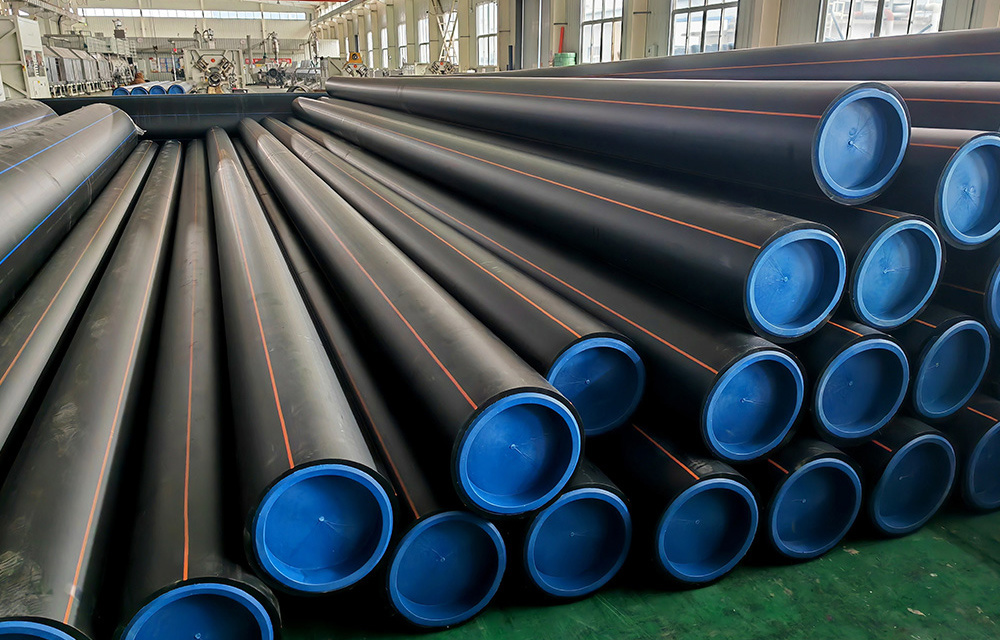
Polyethylene (PE) pipes have become a popular choice for water supply systems, particularly the high-density polyethylene (HDPE) variant known as PE100. Recognized for its superior properties, PE100 water supply pipes offer numerous advantages that make them a preferred option in various construction applications. One of the standout features of PE100 pipes is their high resistance to stress crack
One of the standout features of PE100 pipes is their high resistance to stress cracking and environmental factors. This durability ensures that the pipes maintain integrity over time, even when exposed to harsh conditions. The flexibility of PE100 allows for easy installation, enabling it to be used in both trenchless and traditional excavation methods. Moreover, the lightweight nature of these pipes reduces transportation and handling costs, making them an economical choice for large-scale projects.
Another significant advantage of PE100 water supply pipes is their resistance to corrosion, unlike traditional metal pipes which are prone to rust and degradation over time. This property not only extends the lifespan of the pipeline but also ensures that the water quality remains untainted. Additionally, PE100's smooth inner surface minimizes friction, which can lead to increased flow rates and reduced energy consumption for pumping systems.
Insulation is another essential benefit of PE100 pipes. They are effective in maintaining the temperature of the transported water, which is particularly important in regions with extreme weather conditions. The insulation properties help to minimize heat loss or gain, ensuring that the water delivered is at an optimal temperature for its intended use.
Moreover, PE100 water supply pipes are environmentally friendly. Their production and use contribute to lower carbon footprints compared to alternative materials, aligning with the growing emphasis on sustainability in construction. The recyclability of polyethylene further enhances its appeal, allowing for responsible waste management practices.
When considering the installation of water supply systems, professionals must ensure proper selection and handling of PE100 pipes to maximize their benefits. It is essential to follow industry standards and guidelines during installation to achieve the desired performance and longevity. Additionally, routine inspections and maintenance will help identify any potential issues before they escalate, ensuring a reliable supply of water.
In summary, PE100 water supply pipes offer a multitude of benefits, making them an optimal choice for construction and plumbing professionals. Their durability, resistance to corrosion, and environmental advantages position them as a leading solution in the industry. Understanding these features can help professionals make informed decisions when selecting materials for water supply systems.

Customer Service Hotline
Sales Department Email
Website (Web)
Customer Service Email
Business Cooperation Email
Address
No.32 Donghai Road, Cangzhou Development Zone, Hebei Province, China
Company Address
No. 32 Donghai Road, Cangzhou Development Zone, Hebei Province, China