


27
2025
-
10
A Comprehensive Guide to PPH Hot Melt Pipe Fittings: Essential Insights for Professionals
A Comprehensive Guide to PPH Hot Melt Pipe Fittings: Essential Insights for Professionals Table of Contents 1. Introduction to PPH Hot Melt Pipe Fittings 2. What are PPH Hot Melt Pipe Fittings? 3. Benefits of PPH Hot Melt Pipe Fittings 4. Applications of PPH Hot Melt Pipe Fittings 5. Installation Techniques for PPH Hot Melt Pipe Fittings 6. Maintenance and Care for PPH Hot Melt Pipe F
A Comprehensive Guide to PPH Hot Melt Pipe Fittings: Essential Insights for Professionals
Table of Contents
- 1. Introduction to PPH Hot Melt Pipe Fittings
- 2. What are PPH Hot Melt Pipe Fittings?
- 3. Benefits of PPH Hot Melt Pipe Fittings
- 4. Applications of PPH Hot Melt Pipe Fittings
- 5. Installation Techniques for PPH Hot Melt Pipe Fittings
- 6. Maintenance and Care for PPH Hot Melt Pipe Fittings
- 7. Frequently Asked Questions
- 8. Conclusion
1. Introduction to PPH Hot Melt Pipe Fittings
PPH (Polypropylene Homopolymer) hot melt pipe fittings are a vital component in various plumbing and piping systems. They are made from a durable thermoplastic material, known for its excellent chemical resistance and mechanical strength. As the industry increasingly shifts towards more efficient and sustainable materials, PPH hot melt pipe fittings have gained significant traction due to their versatility and reliability.
In this guide, we aim to provide a comprehensive overview of PPH hot melt pipe fittings, covering their characteristics, advantages, applications, and installation methods. This knowledge is essential for professionals in the construction and decoration materials industry who seek to optimize their projects with high-quality piping solutions.
2. What are PPH Hot Melt Pipe Fittings?
PPH hot melt pipe fittings are fittings made from polypropylene homopolymer, a type of plastic that is designed for heat fusion. This process involves heating the material and then joining it with other polypropylene components, creating strong joints that resist leaks and failures. PPH fittings are primarily used in the construction of pipe systems for various applications, including water supply, chemical processing, and industrial uses.
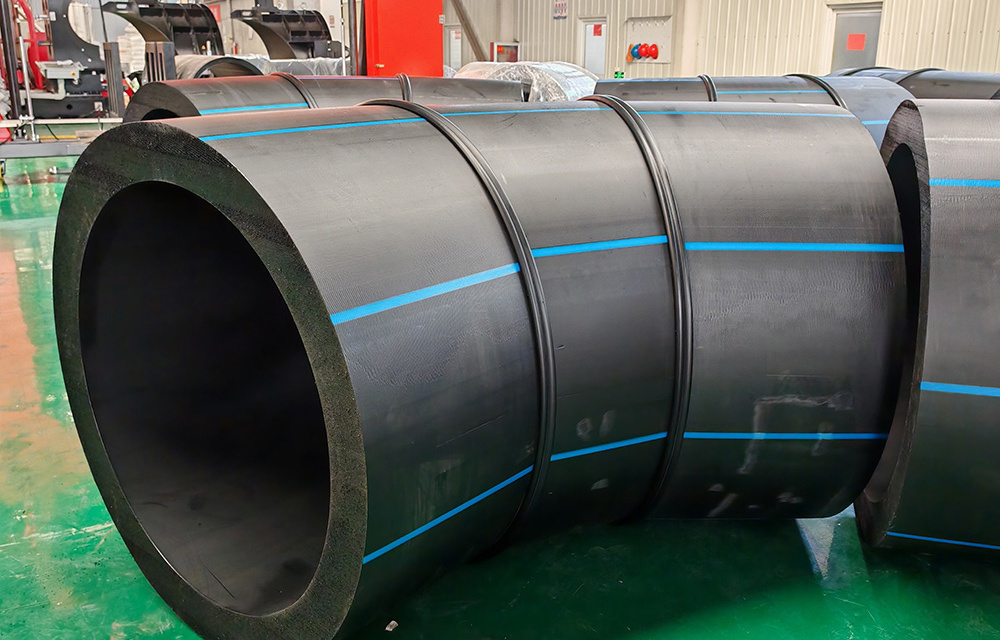
These fittings can be shaped into various forms, including elbows, tees, couplings, and caps, allowing for flexible designs tailored to specific project requirements. The ability to create custom configurations further enhances their appeal in modern plumbing and piping systems.
Key Characteristics of PPH Hot Melt Pipe Fittings
Some noteworthy characteristics of PPH hot melt pipe fittings include:
- **Chemical Resistance**: PPH is resistant to many corrosive substances, making it ideal for industrial applications.
- **High Strength**: It offers high tensile strength, enabling it to withstand significant pressure without deforming.
- **Thermal Stability**: PPH fittings perform well in a wide range of temperatures, maintaining their structural integrity even in extreme conditions.
- **Lightweight**: The lightweight nature of PPH makes it easier to handle and install compared to traditional materials like metal.
- **Cost-Effective**: PPH fittings are generally more affordable than metal alternatives, leading to reduced project costs.
3. Benefits of PPH Hot Melt Pipe Fittings
The adoption of PPH hot melt pipe fittings in various applications comes with numerous advantages:
Durability and Longevity
PPH hot melt pipe fittings are designed to last. Their robust construction ensures that they can withstand wear and tear, contributing to a longer lifespan for piping systems.
Ease of Installation
The hot melt technique simplifies the installation process. Given the lightweight nature of PPH, these fittings can be easily transported and installed without specialized equipment or extensive labor.
Corrosion Resistance
One of the standout features of PPH fittings is their high resistance to corrosion and chemical degradation. This property significantly reduces maintenance costs and the need for frequent replacements.
Environmentally Friendly
PPH is a recyclable material, making it an environmentally responsible choice for construction and plumbing projects.
Versatile Applications
The adaptability of PPH hot melt pipe fittings allows them to be used in a variety of applications, including potable water systems, chemical transport, and HVAC systems.
4. Applications of PPH Hot Melt Pipe Fittings
PPH hot melt pipe fittings are utilized in numerous sectors due to their versatile properties and performance. Here are some common applications:
Potable Water Supply Systems
PPH fittings are often used in residential and commercial water supply systems due to their safe and reliable performance. They do not leach harmful substances into drinking water, ensuring safe usage.
Chemical Processing
In industries that handle corrosive substances, PPH fittings provide the necessary chemical resistance to prevent leaks and failures, safeguarding personnel and equipment.
HVAC Systems
Heating, ventilation, and air conditioning systems benefit from PPH fittings due to their ability to handle varying temperature and pressure levels.
Wastewater Management
PPH pipe fittings are effective in wastewater and sewage systems, where they resist degradation from exposure to harsh chemicals and organic materials.
Industrial Applications
Manufacturing and processing plants utilize PPH fittings in various piping systems, given their durability and ease of installation.
5. Installation Techniques for PPH Hot Melt Pipe Fittings
Installing PPH hot melt pipe fittings requires specific techniques to ensure optimal performance and longevity. Here are the key steps involved:
Preparation
Before installation, ensure that all surfaces are clean and free from contaminants. This is critical for achieving a strong bond during the hot melt process.
Heating the Fittings
Proper heating of the PPH fittings is essential. Use a hot air gun or a dedicated heating tool to bring the fittings to the recommended temperature. This ensures that the material becomes pliable and ready for fusion.
Joining the Fittings
Once heated, quickly and carefully join the fittings while ensuring they are aligned correctly. Apply pressure to create a strong bond, and hold them together for a few seconds until they begin to cool.
Cooling Time
Allow sufficient cooling time for the joint to set properly. This is crucial for maintaining the integrity of the connection and preventing leaks in the future.
Testing the System
After installation, conduct a thorough test of the piping system to identify any leaks or weaknesses. This proactive measure helps ensure the reliability of the system over time.
6. Maintenance and Care for PPH Hot Melt Pipe Fittings
To maximize the lifespan of PPH hot melt pipe fittings, regular maintenance is essential. Here are some maintenance tips:
Regular Inspections
Conduct routine inspections to check for any signs of wear, leaks, or damage. Early detection can prevent costly repairs and replacements.
Cleaning
Keep the fittings and surrounding areas clean to prevent buildup of contaminants that can affect performance. Use mild soap and water for cleaning, avoiding harsh chemicals that could degrade the PPH material.
Pressure Monitoring
Monitor the pressure levels in the piping system to ensure they remain within safe limits. Over-pressurization can lead to joint failures.
Temperature Considerations
Be aware of the temperature limits for PPH fittings. Exceeding these limits can compromise the integrity of the fittings and lead to failures.
7. Frequently Asked Questions
What are the advantages of using PPH hot melt pipe fittings over traditional materials?
PPH fittings offer superior chemical resistance, lower weight, cost-effectiveness, and ease of installation compared to traditional materials like metal.
How do I know if PPH fittings are suitable for my application?
Evaluate the specific requirements of your application, including temperature, pressure, and chemical exposure. Consulting with an industry expert can also provide tailored guidance.
Can I use PPH hot melt fittings for gas applications?
PPH fittings are primarily designed for liquid applications. Using them for gas systems is not recommended due to the material's limitations under gas pressure.
How long can I expect PPH hot melt pipe fittings to last?
With proper installation and maintenance, PPH fittings can last for several decades, making them a reliable choice for piping systems.
Are PPH hot melt pipe fittings environmentally friendly?
Yes, PPH is recyclable and does not leach harmful substances, making it an environmentally responsible option for construction and plumbing projects.
8. Conclusion
PPH hot melt pipe fittings represent a pivotal advancement in the plumbing and construction industries. Their unique properties, including durability, chemical resistance, and ease of installation, make them a preferred choice for professionals seeking reliable and efficient solutions. Understanding the benefits, applications, and installation techniques of PPH fittings is crucial for optimizing your projects and ensuring long-lasting performance.
By incorporating PPH hot melt pipe fittings into your systems, you can achieve superior results that not only meet but exceed industry standards. Equip yourself with the knowledge shared in this guide to make informed decisions and elevate the quality of your projects in the field of construction and decoration materials.

Customer Service Hotline
Sales Department Email
Website (Web)
Customer Service Email
Business Cooperation Email
Address
No.32 Donghai Road, Cangzhou Development Zone, Hebei Province, China
Company Address
No. 32 Donghai Road, Cangzhou Development Zone, Hebei Province, China