


11
2026
-
08
The Cost-Effectiveness of HDPE Pipe in Geothermal Applications: A Comprehensive Analysis
The Cost-Effectiveness of HDPE Pipe in Geothermal Applications Introduction to Geothermal Energy and HDPE Pipes The quest for sustainable energy solutions has led to a significant focus on geothermal energy. This renewable resource leverages the Earth's internal heat for heating and cooling applications. As we explore the cost-effectiveness of **High-Density Polyethylene (HDPE)** pipes in geotherm
The Cost-Effectiveness of HDPE Pipe in Geothermal Applications
Introduction to Geothermal Energy and HDPE Pipes
The quest for sustainable energy solutions has led to a significant focus on geothermal energy. This renewable resource leverages the Earth's internal heat for heating and cooling applications. As we explore the cost-effectiveness of **High-Density Polyethylene (HDPE)** pipes in geothermal applications, it becomes evident that these components play a vital role in the efficiency and longevity of geothermal systems.
Understanding HDPE Pipes: Features and Benefits
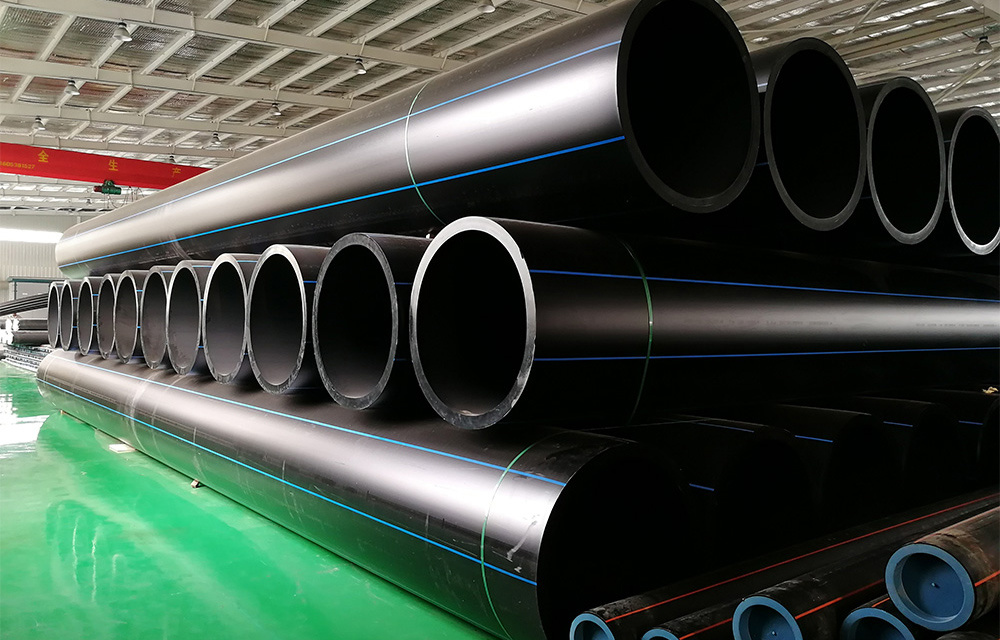
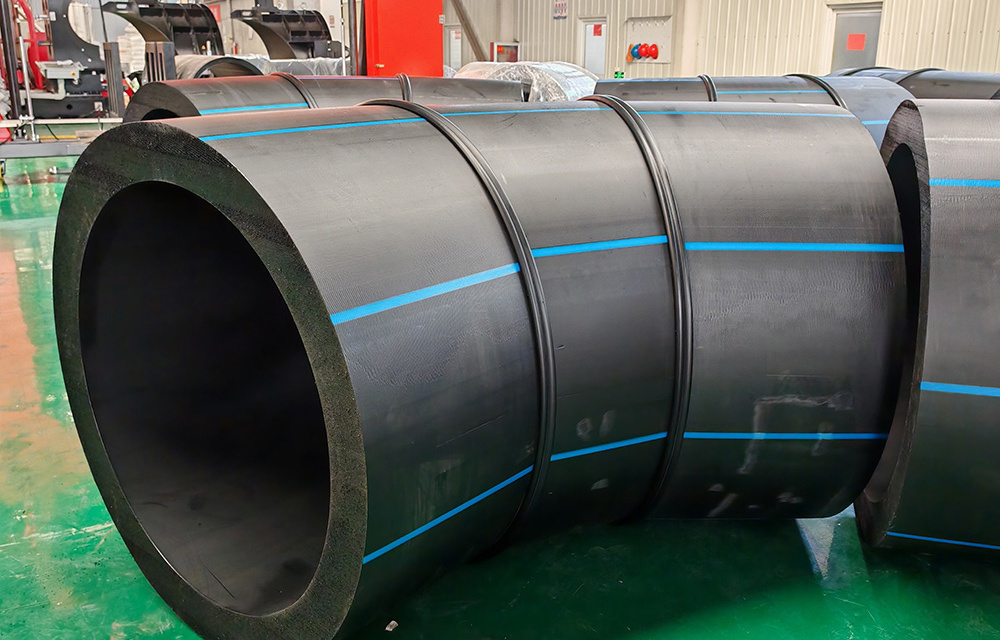
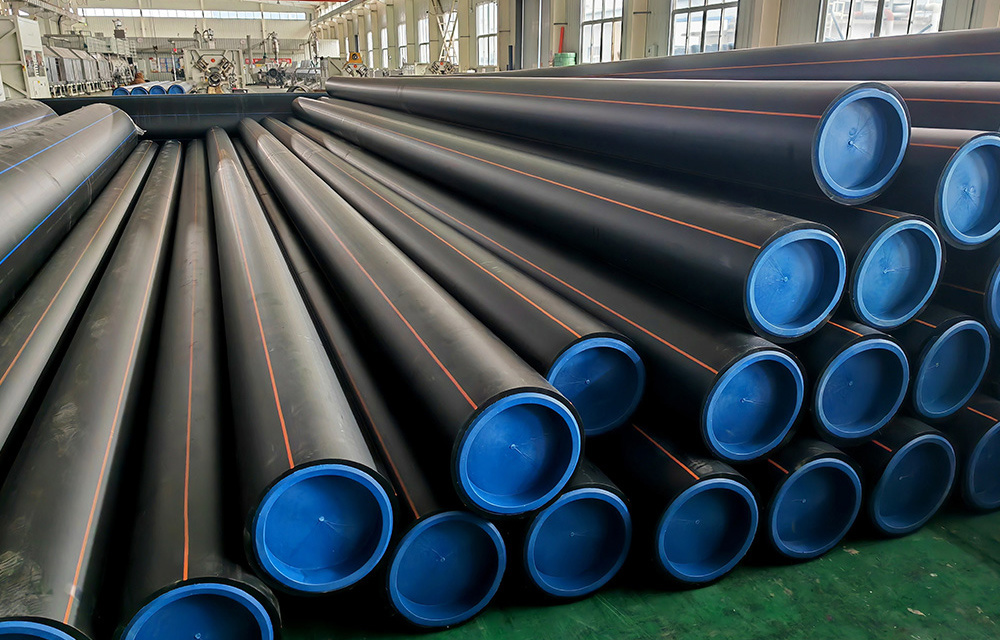
HDPE pipes have gained popularity in various industries, particularly in geothermal applications. Here are the key features that make HDPE pipes an ideal choice:
Durability and Longevity
HDPE pipes are known for their exceptional durability. Resistant to corrosion, chemicals, and extreme environmental conditions, these pipes can last over 50 years with minimal maintenance.
Lightweight and Ease of Installation
The lightweight nature of HDPE pipes makes them easy to transport and install. This characteristic significantly reduces labor costs and installation time, enhancing the overall cost-effectiveness of geothermal systems.
Cost-Effectiveness Over Time
While the initial investment in HDPE pipes may seem higher than traditional materials, their durability, low maintenance requirements, and reduced installation costs result in significant savings over time.
Cost Analysis: HDPE Pipes vs. Traditional Materials
To better understand the cost-effectiveness of HDPE pipes in geothermal applications, let’s conduct a comparative cost analysis with traditional materials like PVC and metal.
Initial Material Costs
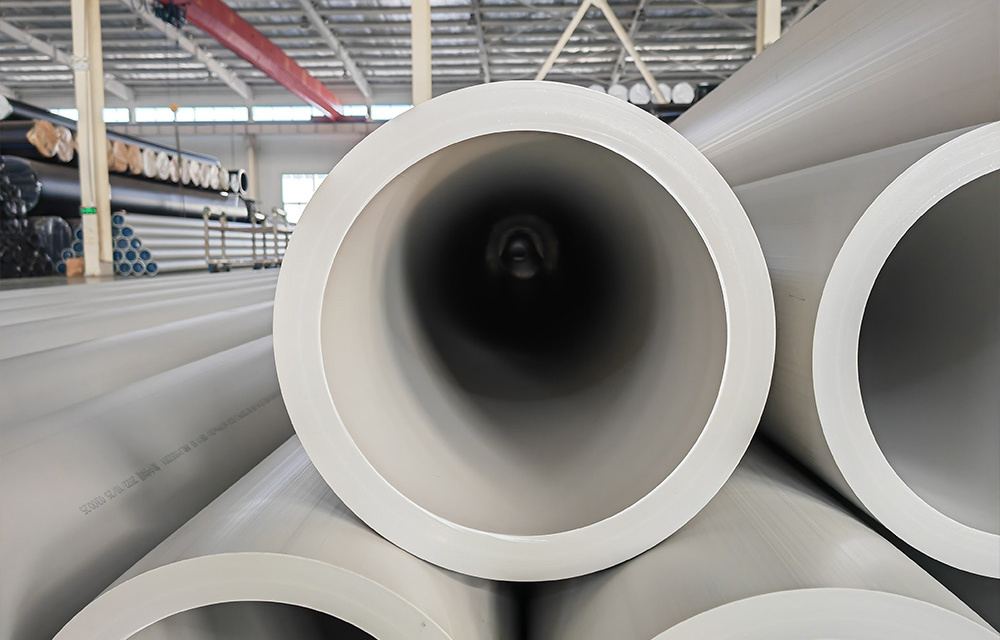
When comparing the upfront costs, HDPE pipes can be slightly more expensive than PVC. However, the differences in cost are minimized when considering the full lifecycle of the pipes.
Installation Costs
The installation process for HDPE pipes is generally quicker than that of traditional materials. Due to their lighter weight and ease of handling, labor costs can be reduced by up to 30%.
Maintenance and Replacement Costs
One of the most significant advantages of HDPE pipes is their low maintenance needs. Traditional materials often require regular inspections and replacements due to corrosion and wear. In contrast, HDPE pipes can operate efficiently without frequent repairs, substantially lowering long-term costs.
Environmental Benefits of Using HDPE Pipes in Geothermal Systems
Using HDPE pipes in geothermal applications not only makes financial sense but also aligns with environmental sustainability goals.
Reduced Carbon Footprint
HDPE pipes are manufactured from recyclable materials, and their lightweight nature reduces transportation emissions. Furthermore, their longevity means fewer resources are consumed over time for repairs and replacements.
Minimal Environmental Disruption
The installation of HDPE pipes is less invasive compared to traditional piping solutions. This characteristic is particularly beneficial in geothermal applications, where preserving the surrounding environment is crucial.
Case Studies: Successful Implementation of HDPE Pipes in Geothermal Projects
To provide real-world context, let’s explore several case studies highlighting the successful use of HDPE pipes in geothermal applications.
Case Study 1: Residential Geothermal Heating System
In a residential project in New York, the installation of HDPE pipes for a geothermal heating system reduced energy costs by 40%. The lightweight pipes expedited installation, and the homeowner reported no maintenance issues for over a decade.
Case Study 2: Commercial Geothermal Cooling System
A commercial building in California utilized HDPE pipes for its geothermal cooling system. The project manager noted a 30% decrease in installation costs and a significant reduction in maintenance expenses. The longevity of the HDPE pipes contributed to a return on investment in just five years.
Design Considerations for HDPE Pipes in Geothermal Applications
When incorporating HDPE pipes into geothermal systems, several design factors must be considered to maximize their effectiveness.
Pipe Sizing and Flow Rate
Proper sizing of HDPE pipes is essential to ensure efficient flow rates in geothermal systems. Failure to size pipes correctly can lead to inefficiencies and increased energy costs.
Installation Depth and Layout
The installation depth of HDPE pipes impacts their thermal efficiency. Careful planning of the layout is necessary for optimal heat exchange and efficiency in geothermal systems.
Material Compatibility
Ensure that all components used in conjunction with HDPE pipes are compatible. This consideration helps maintain system integrity and performance.
Future Trends in HDPE Pipe Applications for Geothermal Energy
As the demand for sustainable energy solutions increases, the role of HDPE pipes in geothermal applications is expected to expand.
Innovative Technologies
Emerging technologies, such as advanced thermal analysis tools and simulation software, will enhance the design and implementation of geothermal systems using HDPE pipes.
Regulatory Changes
With governments worldwide promoting renewable energy, regulatory changes are likely to favor the use of HDPE pipes in geothermal applications, streamlining approvals and encouraging adoption.
FAQs About HDPE Pipes in Geothermal Applications
1. What is the average lifespan of HDPE pipes used in geothermal systems?
HDPE pipes typically have a lifespan of over 50 years with proper installation and maintenance.
2. Are HDPE pipes resistant to UV radiation?
Yes, HDPE pipes contain UV inhibitors that protect them from degradation when exposed to sunlight.
3. Can HDPE pipes be recycled?
Absolutely. HDPE pipes are recyclable, making them an environmentally friendly option in geothermal applications.
4. What temperature ranges can HDPE pipes withstand?
HDPE pipes can typically withstand temperatures up to 180°F (82°C), making them suitable for most geothermal applications.
5. How do I ensure proper installation of HDPE pipes in geothermal systems?
It's essential to follow manufacturer guidelines and engage experienced contractors for installation to ensure efficiency and longevity.
Conclusion
In summary, the **cost-effectiveness of HDPE pipes in geothermal applications** is undeniable. With their durability, lower installation and maintenance costs, and environmental benefits, HDPE pipes emerge as a frontrunner in sustainable energy solutions. As the industry evolves, embracing HDPE technology will be crucial for maximizing efficiency and reducing costs in geothermal systems. By investing in HDPE pipes today, you can ensure a more sustainable and cost-effective energy future.

Customer Service Hotline
Sales Department Email
Website (Web)
Customer Service Email
Business Cooperation Email
Address
No.32 Donghai Road, Cangzhou Development Zone, Hebei Province, China
Company Address
No. 32 Donghai Road, Cangzhou Development Zone, Hebei Province, China