


15
2026
-
05
Unlocking the Potential of HDPE Pipes in Geothermal Systems
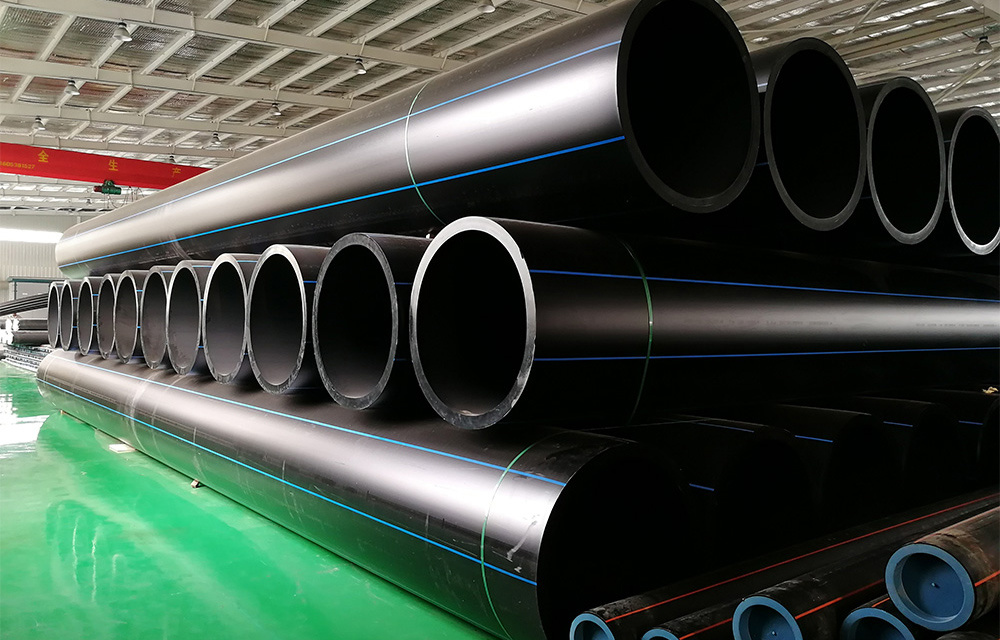
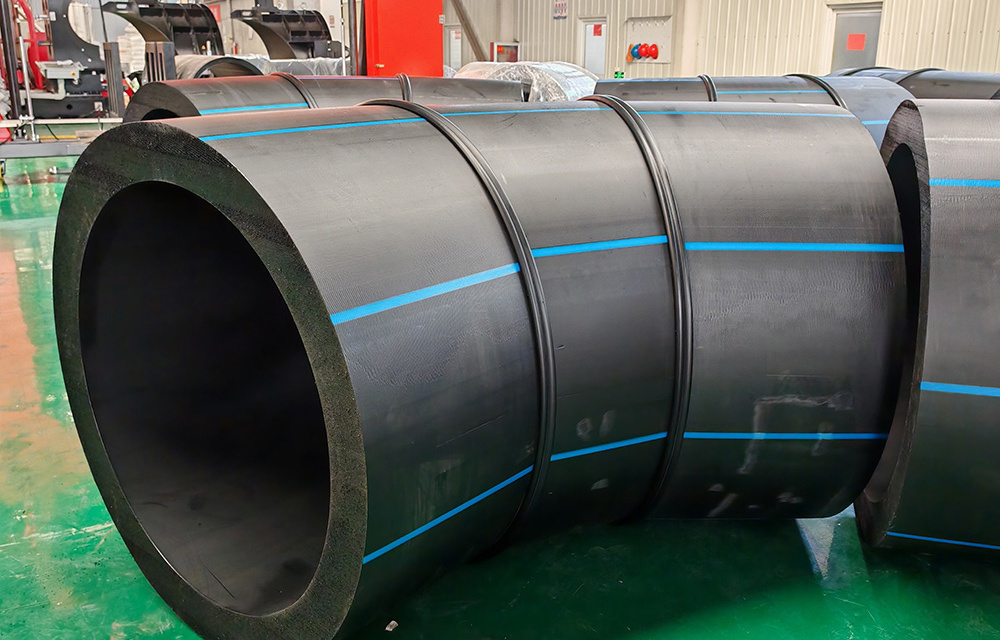
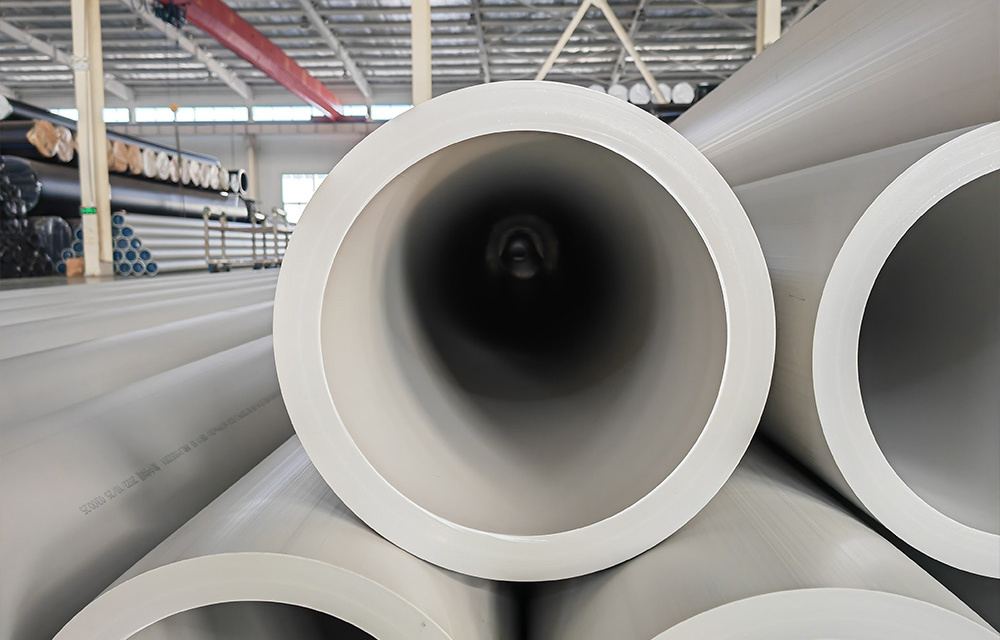
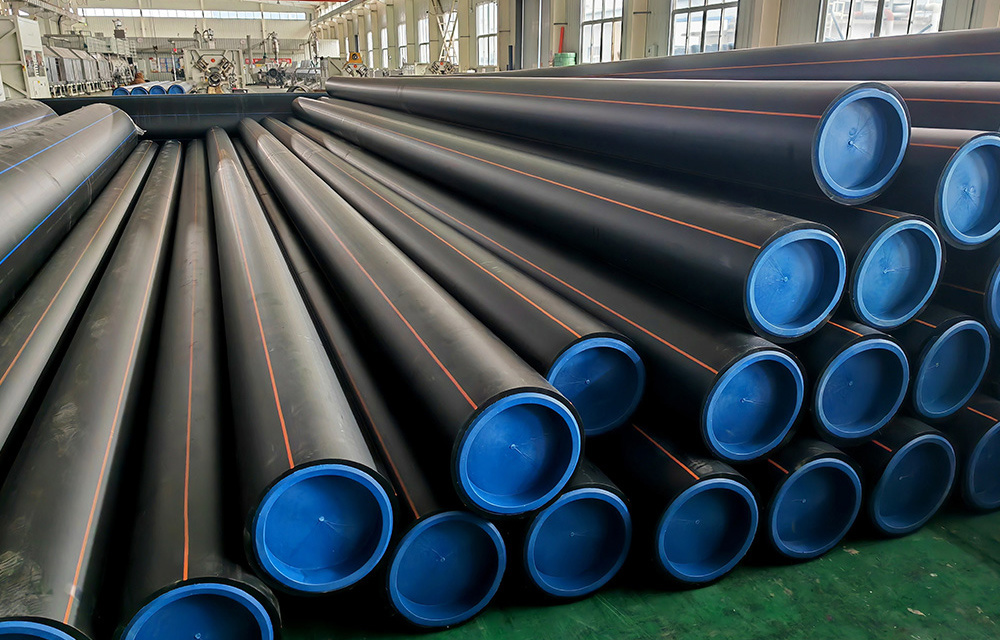
High-Density Polyethylene (HDPE) pipes have emerged as a crucial element in geothermal systems, which harness the earth's natural heat for sustainable energy solutions. These pipes are known for their exceptional strength, flexibility, and resistance to various environmental factors. When applied in geothermal systems, HDPE pipes facilitate the efficient transfer of heat between the ground and the
One of the primary advantages of HDPE pipes is their resistance to corrosion and chemical degradation. Unlike metal pipes that can rust and degrade over time, HDPE pipes are impervious to corrosion, which significantly extends their lifespan. In geothermal applications, where pipes are often buried underground and exposed to moist conditions, this resistance is particularly beneficial. As a result, HDPE pipes require less maintenance and can reduce overall operational costs for geothermal systems.
Another essential feature of HDPE pipes is their flexibility, which allows for easier installation in various terrains and environments. This adaptability is crucial for geothermal systems, where the piping must navigate through diverse ground conditions. The lightweight nature of HDPE also simplifies the handling and installation processes, reducing labor costs and time on-site.
Moreover, HDPE pipes are designed to operate efficiently under high temperatures, making them suitable for geothermal applications that involve heated fluids. Their thermal properties ensure minimal heat loss during the transfer process, which is vital for maximizing energy efficiency. This capability not only enhances the system's performance but also contributes to reducing the overall energy consumption, aligning with the goals of a sustainable energy future.
In addition to their practical benefits, using HDPE pipes in geothermal systems is an environmentally friendly choice. The material is recyclable and contributes to lower carbon emissions compared to traditional piping materials. As industries move towards greener practices, integrating HDPE pipes into geothermal systems can significantly support these initiatives.
In conclusion, HDPE pipes stand out as a reliable and efficient choice for geothermal systems. Their durability, flexibility, and resistance to corrosion make them ideal for facilitating heat transfer while ensuring longevity and sustainability. As more industries embrace geothermal energy solutions, the role of HDPE pipes will continue to expand, paving the way for a more eco-friendly future.

Customer Service Hotline
Sales Department Email
Website (Web)
Customer Service Email
Business Cooperation Email
Address
No.32 Donghai Road, Cangzhou Development Zone, Hebei Province, China
Company Address
No. 32 Donghai Road, Cangzhou Development Zone, Hebei Province, China