


17
2025
-
11
Understanding PE Farmland Irrigation Pipes: A Sustainable Solution for Agricultural Efficiency
--- In the realm of agriculture, the efficiency of irrigation systems plays a vital role in crop productivity and water conservation. One of the most effective materials utilized for irrigation piping is Polyethylene (PE). PE farmland irrigation pipes have gained widespread recognition due to their durability, flexibility, and resistance to various environmental factors. This article delves into t
In the realm of agriculture, the efficiency of irrigation systems plays a vital role in crop productivity and water conservation. One of the most effective materials utilized for irrigation piping is Polyethylene (PE). PE farmland irrigation pipes have gained widespread recognition due to their durability, flexibility, and resistance to various environmental factors. This article delves into the characteristics, advantages, and applications of PE pipes in farmland irrigation.
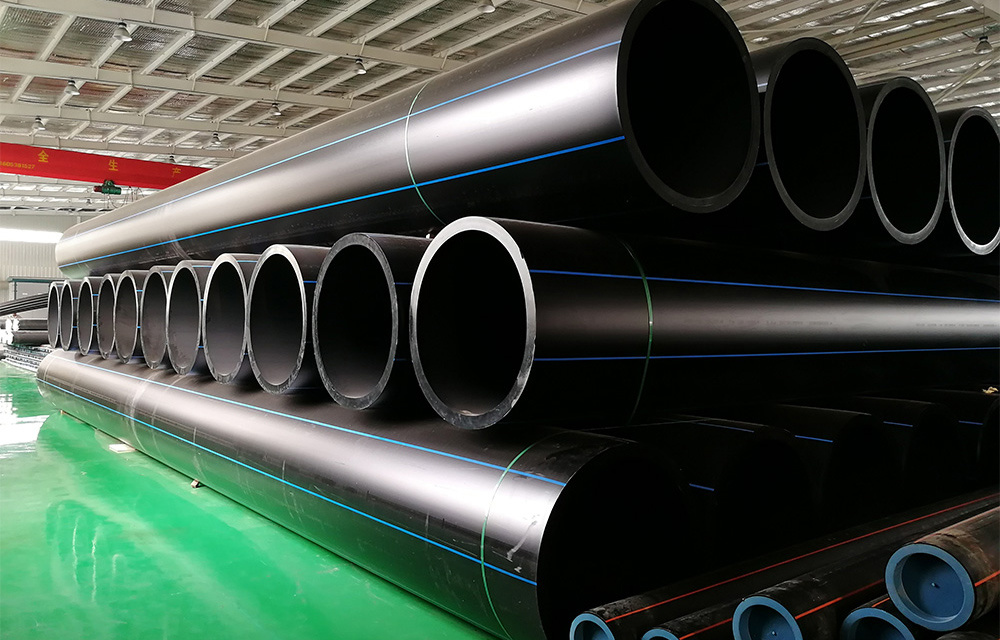
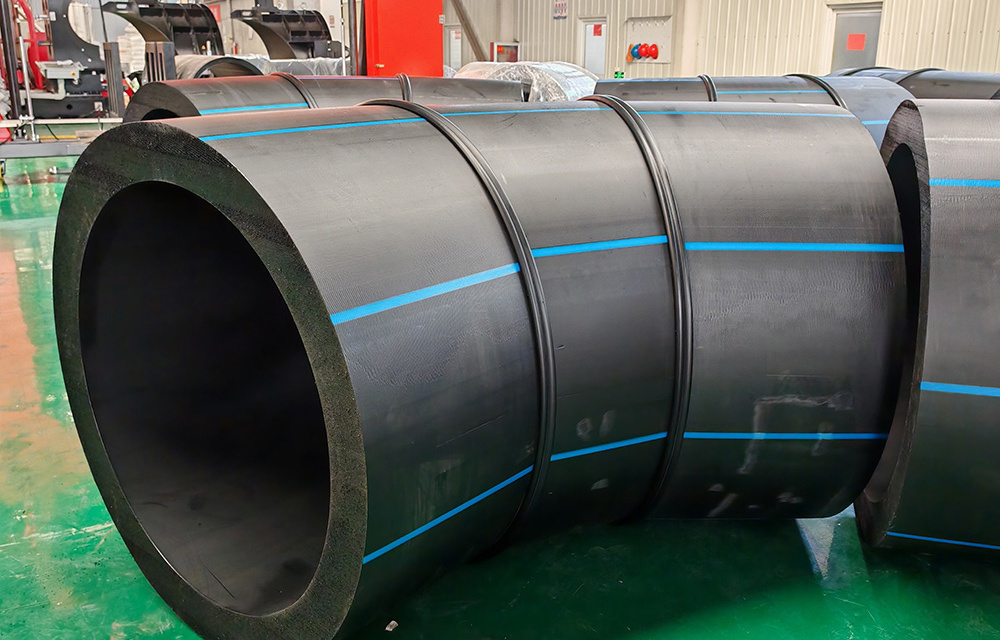
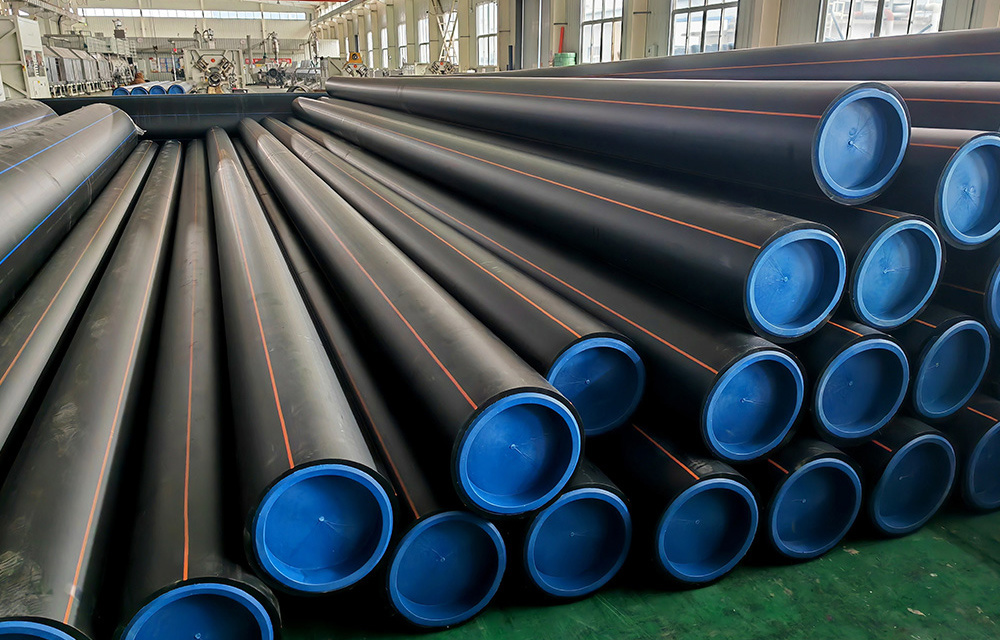
PE pipes are crafted from high-density polyethylene, a material known for its strength and longevity. Unlike traditional materials, such as metal or concrete, PE pipes are lightweight, making them easier to transport and install. This is particularly beneficial for large farming operations where extensive irrigation networks need to be established quickly and efficiently. Their flexibility allows for easy bending and installation around obstacles, minimizing the need for extensive fittings and joints.
One of the most significant advantages of PE farmland irrigation pipes is their resistance to corrosion and chemical degradation. In agricultural settings, pipes often come into contact with fertilizers, pesticides, and various soil conditions. The inert nature of polyethylene ensures that these chemicals do not compromise the integrity of the pipes, thus prolonging their lifespan. This durability translates to lower maintenance costs and reduced frequency of replacements.
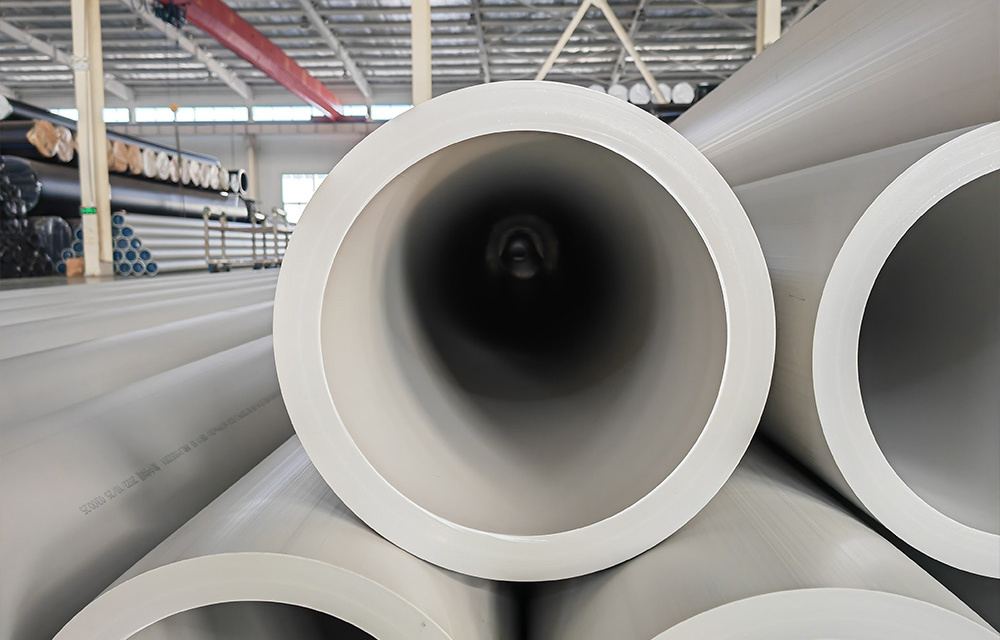
Additionally, PE pipes are designed to withstand a wide range of temperatures, making them suitable for various climatic conditions. Whether in hot, arid regions or cooler climates, these pipes maintain their performance and reliability. Moreover, their smooth interior surfaces contribute to efficient water flow, reducing the potential for clogs and ensuring that crops receive the necessary moisture without unnecessary delays.
The use of PE farmland irrigation pipes is also environmentally friendly. Water conservation is a critical issue in agriculture, and efficient irrigation systems can help minimize water waste. By providing targeted delivery of water directly to the root zones of plants, PE pipes significantly reduce evaporation and runoff. This method not only conserves water but also optimizes the use of fertilizers, leading to healthier crop yields and reduced environmental impact.
In terms of installation, PE pipes are compatible with various irrigation systems, including drip, surface, and sprinkler systems. Their versatility allows farmers to adapt their irrigation methods according to the specific needs of different crops and field conditions. This adaptability is crucial in modern agriculture, where precision and efficiency are paramount to meet growing food demands.
In conclusion, PE farmland irrigation pipes represent a significant advancement in agricultural irrigation technology. Their durability, flexibility, and resistance to environmental factors make them an ideal choice for efficient and sustainable farming practices. As the agricultural industry continues to evolve, the adoption of such innovative materials is essential for enhancing productivity while promoting environmental stewardship. By understanding the benefits of PE pipes, farmers can make informed decisions that lead to better crop yields and a more sustainable future.

Customer Service Hotline
Sales Department Email
Website (Web)
Customer Service Email
Business Cooperation Email
Address
No.32 Donghai Road, Cangzhou Development Zone, Hebei Province, China
Company Address
No. 32 Donghai Road, Cangzhou Development Zone, Hebei Province, China