


15
2025
-
11
Understanding PE100 Gas Pipes: A Comprehensive Overview
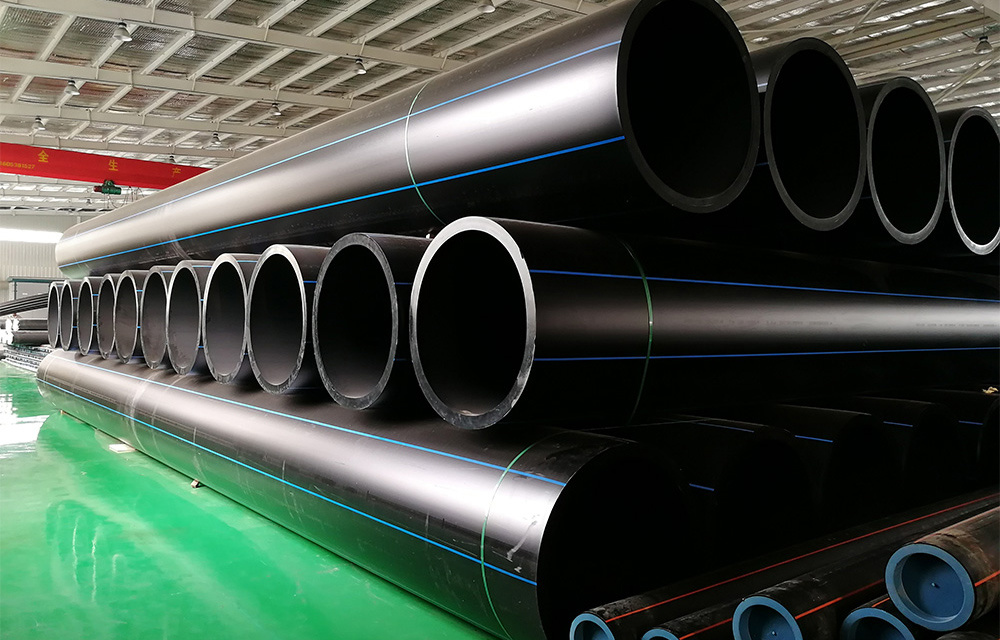
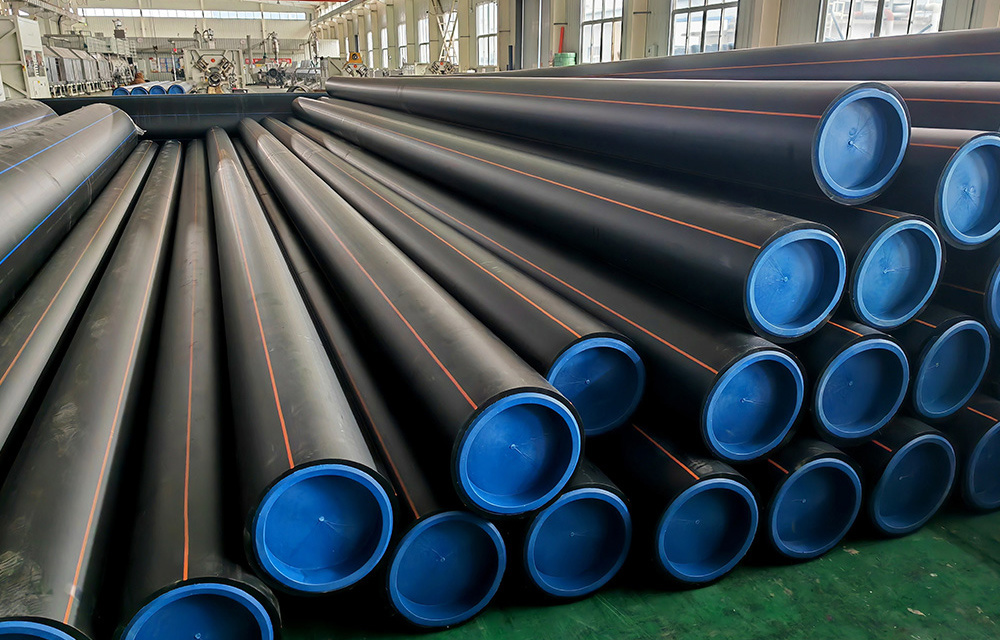
Polyethylene (PE) pipes have become an essential component in the gas distribution industry, particularly the PE100 grade. These pipes are engineered to withstand the demands of transporting gases under pressure, making them suitable for various applications, including residential, commercial, and industrial gas distribution. Understanding the properties, benefits, and applications of PE100 gas pi
PE100 is a high-density polyethylene material that exhibits excellent mechanical strength and durability. One of its most significant advantages is its resistance to stress cracking and environmental factors, which ensures long-term performance. This attribute is particularly important in the gas industry, where leaks can lead to severe safety hazards. The ability of PE100 to resist degradation from UV exposure and chemicals makes it ideal for both buried and above-ground installations.
Another noteworthy feature of PE100 gas pipes is their lightweight nature, which simplifies transportation and installation. Unlike traditional materials such as steel or ductile iron, PE pipes can be easily handled by a smaller workforce, reducing labor costs and installation time. Moreover, the flexibility of PE100 allows for easier routing around obstacles during installation, which can be an advantage in urban environments where space is limited.
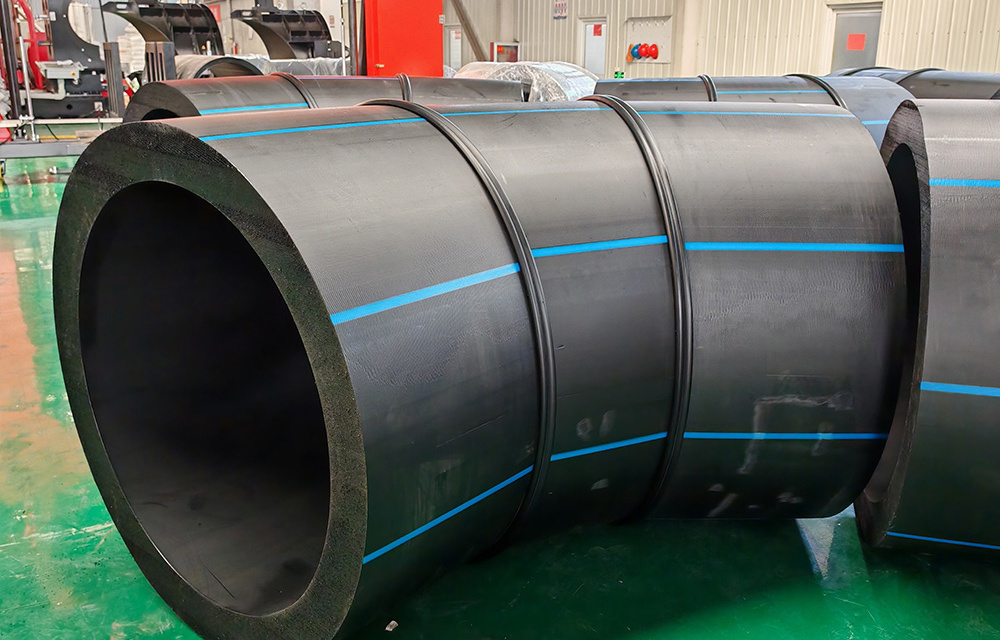
The joining methods for PE100 pipes further enhance their versatility. Heat fusion techniques create a strong, monolithic joint that minimizes the risk of leakage, thus ensuring a secure gas transportation system. This method also allows for seamless integration into existing infrastructure, enabling upgrades without extensive modifications.
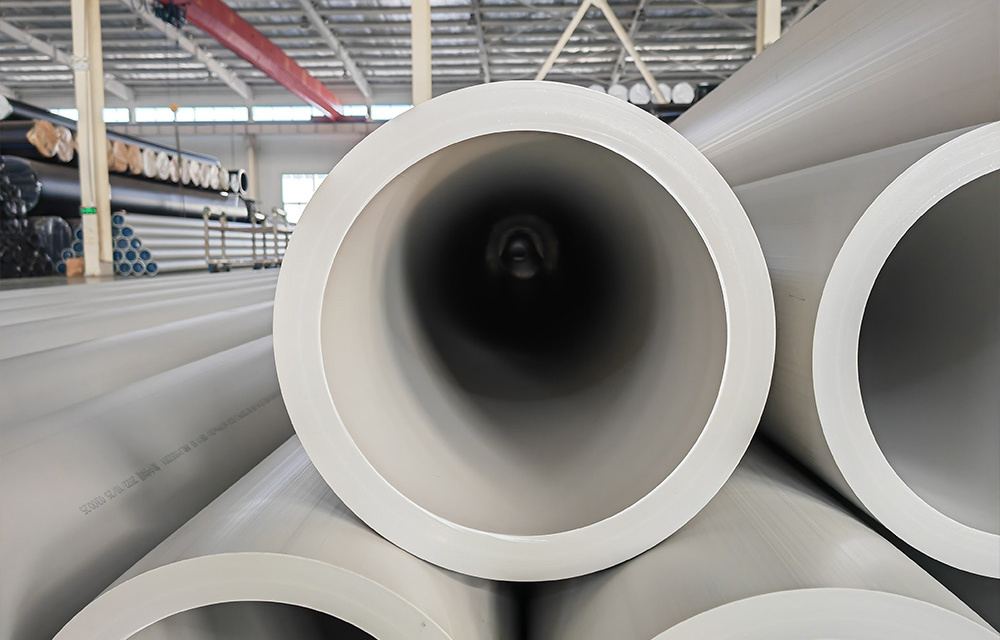
In terms of safety, PE100 gas pipes are tested and certified to meet stringent industry standards, providing assurance to users regarding their reliability. The material is non-toxic and does not corrode, which is crucial for maintaining the purity of the gas being transported. Additionally, the smooth internal surface of PE100 reduces friction, leading to lower energy costs and improved flow rates in the gas distribution system.
The applications of PE100 gas pipes are wide-ranging, including natural gas networks, biogas systems, and propane distribution. Their adaptability makes them suitable for various environmental conditions, whether in rural settings or dense urban areas. As the demand for efficient and safe gas distribution continues to grow, PE100 pipes are increasingly recognized as a superior choice.
In conclusion, PE100 gas pipes combine strength, flexibility, and ease of installation, making them an ideal solution for modern gas distribution systems. Their durability and safety features further solidify their position as a reliable option in the industrial gas equipment sector. Understanding the benefits and applications of PE100 pipes can empower professionals in the industry to make smart choices that align with their project needs while ensuring safety and efficiency.

Customer Service Hotline
Sales Department Email
Website (Web)
Customer Service Email
Business Cooperation Email
Address
No.32 Donghai Road, Cangzhou Development Zone, Hebei Province, China
Company Address
No. 32 Donghai Road, Cangzhou Development Zone, Hebei Province, China