


02
2025
-
11
Why Choose PE100 Water Supply Pipes for Your Next Project? Unveiling the Benefits and Advantages
Why Choose PE100 Water Supply Pipes for Your Next Project? Understanding PE100 Water Supply Pipes PE100 water supply pipes are made from high-density polyethylene (HDPE), known for their outstanding strength and durability. As a leading material in the plumbing and construction industries, PE100 offers a range of benefits that make it an ideal choice for various water supply applications. What Mak
Why Choose PE100 Water Supply Pipes for Your Next Project?
Understanding PE100 Water Supply Pipes
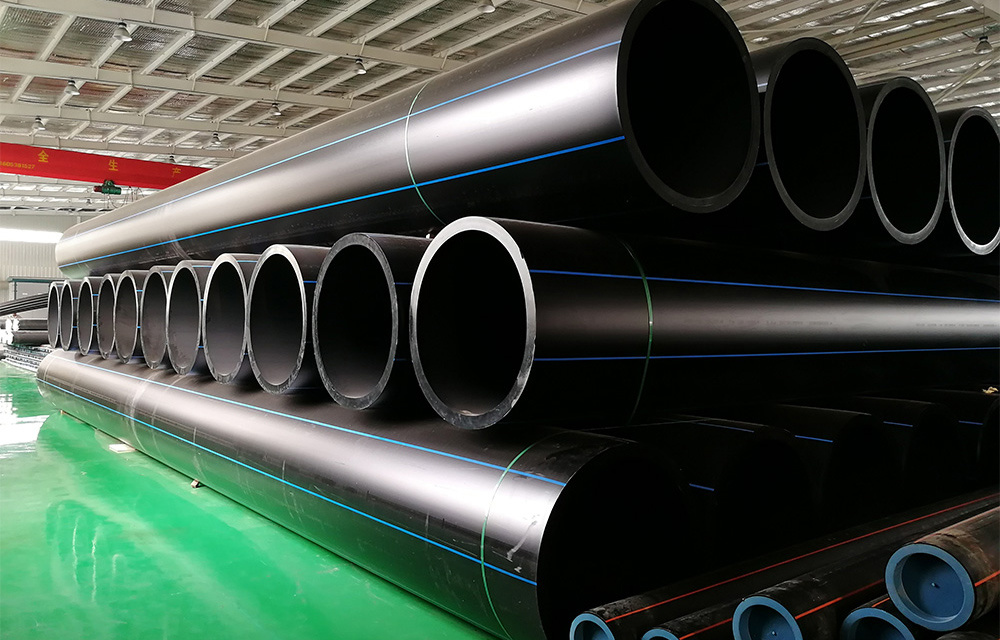
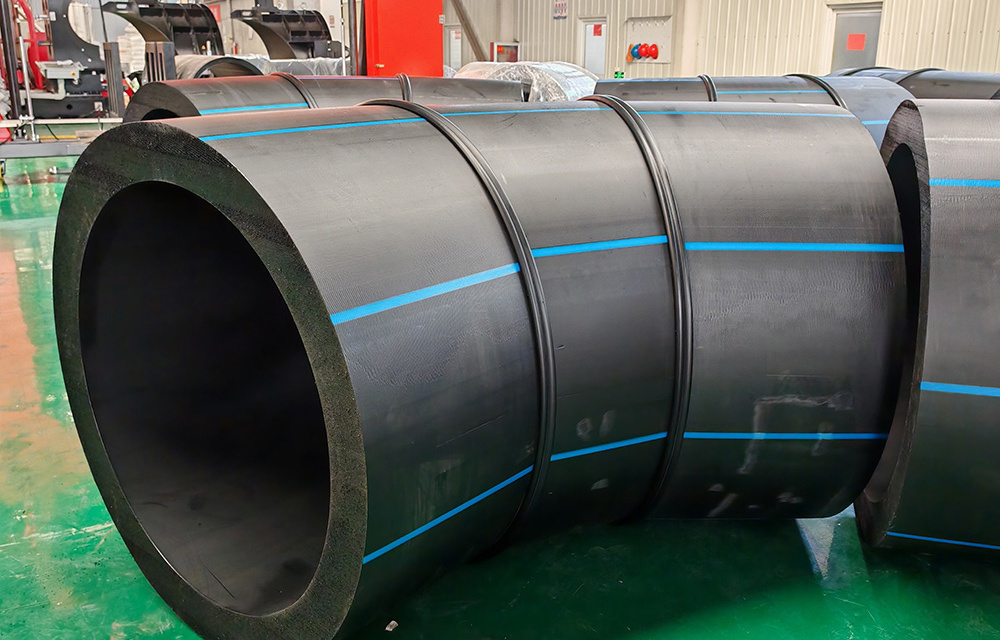
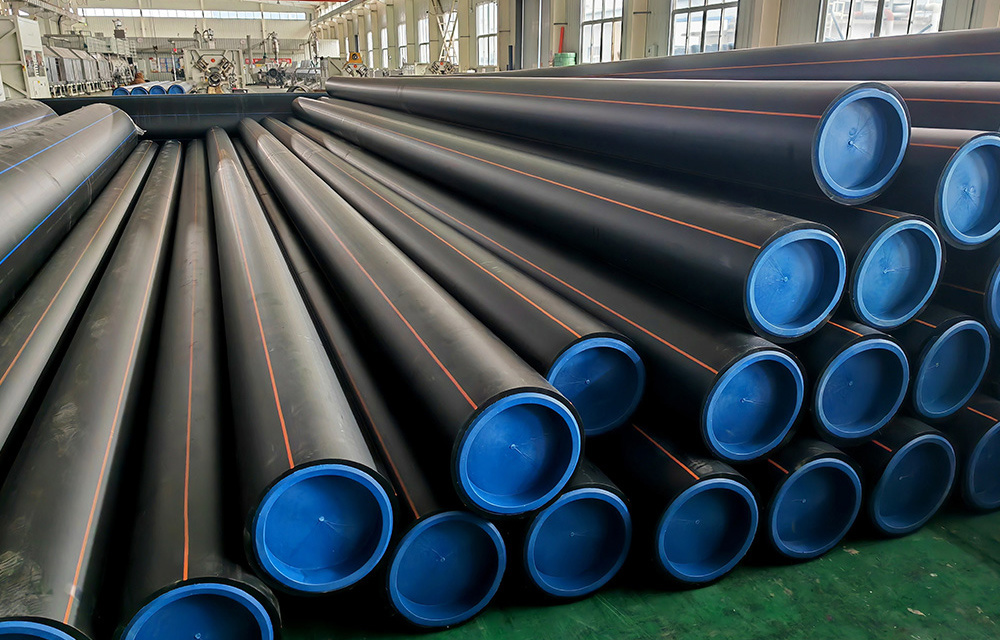
PE100 water supply pipes are made from high-density polyethylene (HDPE), known for their outstanding strength and durability. As a leading material in the plumbing and construction industries, PE100 offers a range of benefits that make it an ideal choice for various water supply applications.
What Makes PE100 Unique?
PE100 is classified as a pressure pipe, designed to withstand higher pressures than its predecessors, such as PE80. This enhanced capability allows for efficient and reliable water transport over long distances. The following sections will discuss its structural integrity, resistance to environmental stress, and suitability for both domestic and commercial projects.
The Advantages of Using PE100 Pipes
When deciding on the materials for your next project, consider the numerous advantages of PE100 water supply pipes.
1. Exceptional Durability
PE100 pipes are engineered to last for decades, minimizing the need for repairs and replacements. Their resistance to corrosion and chemical damage ensures they will maintain integrity even in harsh environments. This durability can significantly reduce long-term costs associated with maintenance.
2. Superior Flexibility
Unlike rigid alternatives, PE100 pipes offer excellent flexibility, allowing for easy installation around obstacles. This flexibility also reduces the risk of breakage during handling and installation, making it a safer choice for construction crews.
3. Lightweight and Easy to Handle
PE100 pipes are considerably lighter than traditional materials like PVC or metal. This lightweight nature simplifies transportation and installation, leading to lower labor costs and reduced time on site.
4. Resistance to Environmental Factors
PE100 is designed to withstand extreme temperatures, UV exposure, and various chemical environments. This resilience means that it can be used in diverse geographical locations without a significant risk of degradation.
5. Long Service Life
With proper installation, PE100 pipes can last upwards of 50 years. This longevity makes them a cost-effective investment for water supply infrastructure, offering peace of mind for project managers and stakeholders.
Applications of PE100 Water Supply Pipes
Understanding where and how PE100 pipes can be used will help clarify their versatility.
1. Municipal Water Supply Systems
PE100 pipes are widely utilized in municipal water supply systems, providing clean drinking water to communities. Their ability to handle high pressure and resist corrosion makes them ideal for this critical application.
2. Irrigation Systems
Farmers and agricultural businesses benefit from PE100 pipes in their irrigation systems. Their flexibility and resistance to environmental stressors make them perfect for conveying water efficiently to crops.
3. Industrial Applications
In industrial settings, PE100 pipes are used to transport fluids and gases safely. Their chemical resistance allows them to handle various industrial materials without degrading.
4. Mine Water Management
PE100 pipes are crucial in the mining industry for water management and tailings transport. Their durability ensures that they can withstand the rigors of harsh mining environments.
Installation Process of PE100 Pipes
The installation of PE100 pipes is straightforward, thanks to their lightweight and flexible nature.
1. Preparation and Planning
Before installation, accurate planning and preparation are essential. Assess the site conditions and determine the required pipe diameter and pressure ratings to ensure optimal performance.
2. Trenching and Bedding
Excavate the trench where the pipes will be laid. Ensure the bedding material is smooth and free from sharp objects that could damage the pipes during installation.
3. Joining Methods
There are several methods for joining PE100 pipes, including butt fusion, electrofusion, and socket fusion. Each method has its advantages, and the choice often depends on the specific installation requirements.
4. Testing the System
Once installed, conduct pressure testing to ensure the integrity of the system. This step is crucial to identify any leaks or weaknesses before putting the system into operation.
Cost-Effectiveness of PE100 Pipes
While the initial cost of PE100 pipes may be higher than traditional materials, the long-term savings can be substantial.
1. Reduced Maintenance Costs
With their durability and resistance to environmental factors, PE100 pipes require significantly less maintenance over their lifespan, saving both time and money.
2. Lower Installation Costs
The lightweight nature of PE100 pipes reduces labor costs associated with transportation and installation. Their flexibility also simplifies the installation process, further cutting down on expenses.
3. Longevity Equals Savings
Given their long service life, investing in PE100 pipes can lead to substantial savings over time. Fewer replacements mean less disruption to operations and fewer capital expenditures.
Sustainability and Environmental Impact
The use of PE100 pipes aligns with sustainable construction practices.
1. Recyclability
PE100 is fully recyclable, making it an environmentally friendly choice. At the end of its service life, it can be repurposed, reducing waste in landfills.
2. Reduced Water Loss
The integrity of PE100 pipes minimizes leaks, which is crucial in water supply systems. This efficiency helps conserve water resources, contributing to sustainability efforts.
3. Lower Carbon Footprint
By requiring less energy for production and transportation, PE100 pipes generate a lower carbon footprint compared to traditional materials. This aspect makes them a preferred choice for environmentally conscious projects.
FAQs about PE100 Water Supply Pipes
1. What is the difference between PE100 and PE80 pipes?
PE100 pipes are designed to handle higher pressure and have enhanced durability compared to PE80 pipes. This makes PE100 a better choice for demanding applications.
2. Are PE100 pipes suitable for high-temperature applications?
Yes, PE100 pipes can withstand a range of temperatures, but it’s essential to consult manufacturer specifications for specific temperature limits.
3. How long do PE100 pipes last?
With proper installation and maintenance, PE100 pipes can last over 50 years.
4. Can PE100 pipes be used for gas supply?
While PE100 pipes are primarily designed for water supply, they can also be used for certain gas applications, provided they meet specific standards.
5. What joining methods are best for PE100 pipes?
Butt fusion and electrofusion are the most common joining methods, offering strong and reliable connections.
Conclusion
Choosing **PE100 water supply pipes** for your next project is a wise decision that offers numerous benefits, including exceptional durability, flexibility, and cost-effectiveness. With their versatile applications and positive environmental impact, PE100 pipes stand out as a superior choice in the construction and plumbing industries. Investing in quality materials like PE100 ensures a reliable and sustainable water supply system that meets both current and future demands. As you embark on your next project, consider the long-term advantages of incorporating PE100 pipes into your design.

Customer Service Hotline
Sales Department Email
Website (Web)
Customer Service Email
Business Cooperation Email
Address
No.32 Donghai Road, Cangzhou Development Zone, Hebei Province, China
Company Address
No. 32 Donghai Road, Cangzhou Development Zone, Hebei Province, China