


25
2025
-
10
PPH Hot Melt Pipe Fittings: The Future of Sustainable Building Materials
PPH Hot Melt Pipe Fittings: The Future of Sustainable Building Materials Table of Contents What Are PPH Hot Melt Pipe Fittings? Advantages of Using PPH Hot Melt Pipe Fittings The Sustainability Aspect of PPH Materials Applications of PPH Hot Melt Pipe Fittings The Installation Process of PPH Hot Melt Pipe Fittings Maintenance and Durability Future Trends in Building Ma
PPH Hot Melt Pipe Fittings: The Future of Sustainable Building Materials
Table of Contents
- What Are PPH Hot Melt Pipe Fittings?
- Advantages of Using PPH Hot Melt Pipe Fittings
- The Sustainability Aspect of PPH Materials
- Applications of PPH Hot Melt Pipe Fittings
- The Installation Process of PPH Hot Melt Pipe Fittings
- Maintenance and Durability
- Future Trends in Building Materials
- Frequently Asked Questions (FAQs)
- Conclusion
What Are PPH Hot Melt Pipe Fittings?
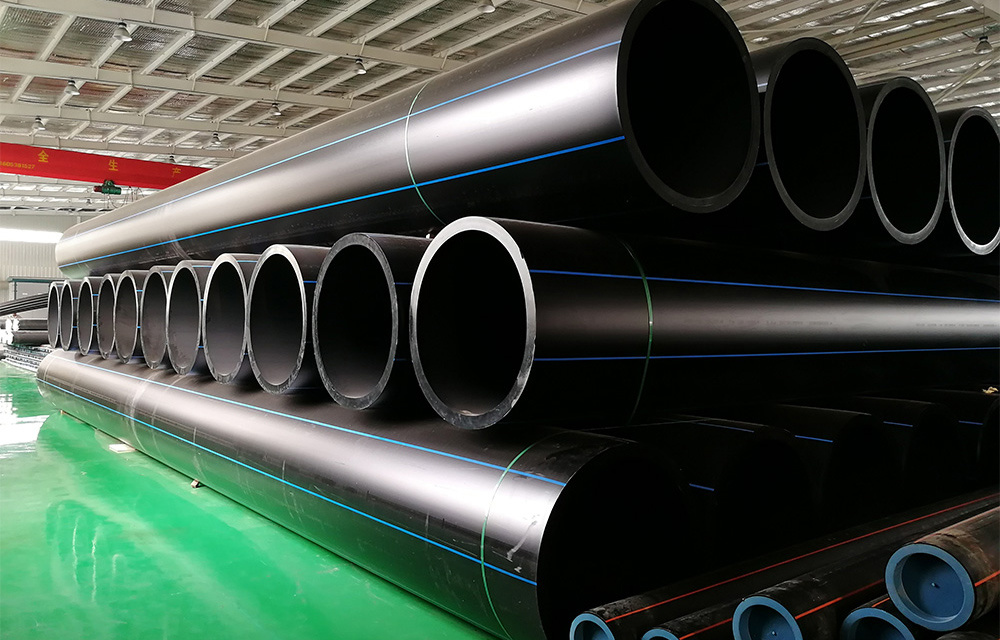
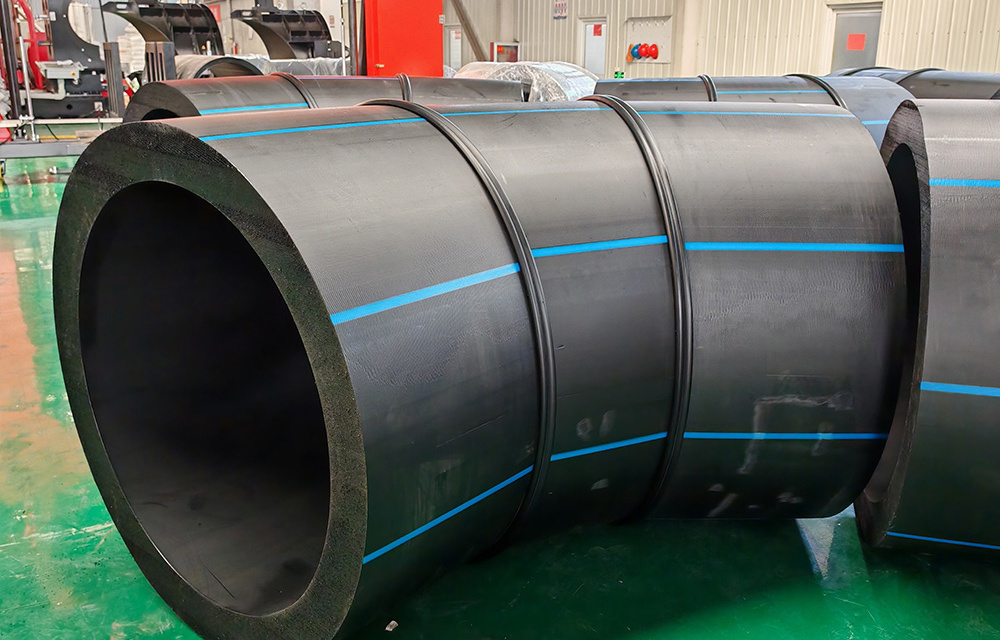
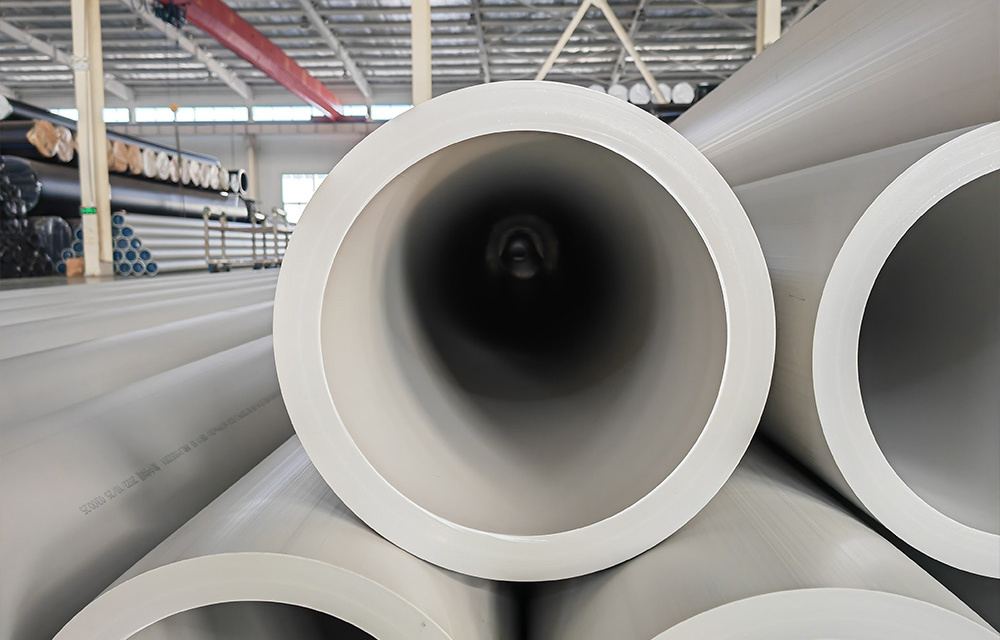
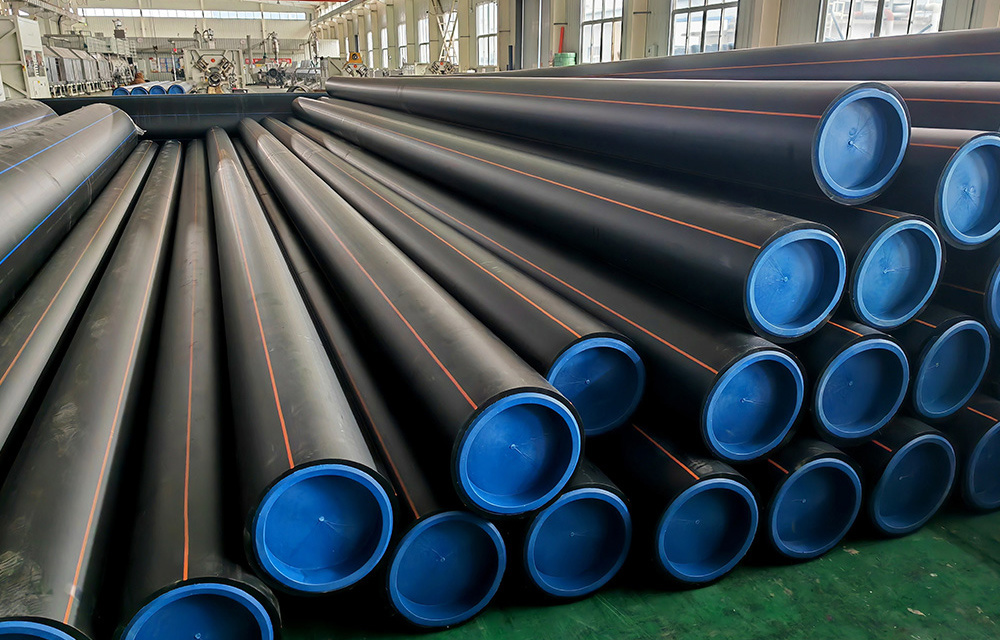
PPH (Polypropylene Homopolymer) Hot Melt Pipe Fittings are a type of piping solution made from a thermoplastic polymer that exhibits excellent resistance to heat and chemicals. **These fittings are designed** to connect piping systems seamlessly, ensuring reliable performance in various applications, especially in construction and plumbing. The hot melt technology allows for a robust connection that is not only efficient but also minimizes the risk of leaks and failures.
Advantages of Using PPH Hot Melt Pipe Fittings
The incorporation of PPH Hot Melt Pipe Fittings into construction projects presents numerous benefits:
1. Superior Durability
PPH materials are known for their **high durability**, capable of withstanding extreme temperatures and pressures. This feature ensures that the fittings will last longer than traditional materials.
2. Chemical Resistance
One of the most notable **advantages** of PPH is its exceptional resistance to a wide range of chemicals. This property makes it an ideal choice for industries such as chemical processing and wastewater management.
3. Lightweight and Easy to Handle
Unlike metal fittings, PPH Hot Melt Pipe Fittings are **lightweight**, making them easier to transport and install without compromising on structural integrity.
4. Cost-Effectiveness
While the initial investment may be comparable to other materials, **the longevity and reduced maintenance costs** of PPH fittings offer significant savings over time.
The Sustainability Aspect of PPH Materials
Sustainability is becoming increasingly important in the construction industry. PPH Hot Melt Pipe Fittings contribute to eco-friendly practices in several ways:
1. Recyclability
PPH is a recyclable material, making it a **sustainable option** in construction. Once the fittings reach the end of their life cycle, they can be repurposed, reducing waste in landfills.
2. Low Energy Consumption in Production
The production process of PPH fittings requires less energy compared to traditional materials, resulting in a lower carbon footprint. This aligns with global efforts to reduce greenhouse gas emissions.
3. Reduced Water Usage
The durability and resistance of PPH fittings lead to fewer leaks and failures, which in turn contributes to **water conservation**. This is a critical factor, especially in areas where water scarcity is a concern.
Applications of PPH Hot Melt Pipe Fittings
PPH Hot Melt Pipe Fittings are versatile and can be utilized in a variety of applications:
1. Plumbing Systems
PPH fittings are commonly used in plumbing systems due to their **chemical resistance** and ability to handle hot and cold water without degradation.
2. Chemical Processing
In chemical industries, PPH's resistance to corrosion makes it a preferred choice for handling various chemicals safely and effectively.
3. HVAC Systems
These fittings are also utilized in heating, ventilation, and air conditioning (HVAC) systems, ensuring efficient flow and temperature control.
4. Agricultural Applications
In agriculture, PPH fittings are used in irrigation systems, providing reliable connections that withstand the rigors of outdoor conditions.
The Installation Process of PPH Hot Melt Pipe Fittings
The installation of PPH Hot Melt Pipe Fittings is straightforward and requires specific tools and techniques:
1. Preparation of the Pipe Ends
Begin by cleaning the pipe ends to remove any dust or debris. This ensures a strong bond during the melting process.
2. Heating the Fittings
Using a heat gun or specialized melting equipment, heat the fittings until they reach the correct temperature for melting.
3. Joining the Fittings
Once adequately heated, quickly join the fittings and pipe, ensuring they are aligned correctly. Hold them in position until they cool and solidify, creating a robust connection.
4. Testing the Joint
After installation, it is crucial to test the joint for leaks by conducting a pressure test to ensure that it meets quality standards.
Maintenance and Durability
PPH Hot Melt Pipe Fittings require minimal maintenance due to their inherent properties:
1. Regular Inspections
Conducting regular inspections can identify any potential issues before they escalate. Check for signs of wear or damage.
2. Cleaning
While PPH fittings resist staining, periodic cleaning can help maintain their appearance and functionality.
3. Longevity
With proper installation and maintenance, PPH fittings can last for decades, offering excellent return on investment.
Future Trends in Building Materials
As the construction industry evolves, several trends suggest the increasing adoption of PPH Hot Melt Pipe Fittings:
1. Increased Use of Recycled Materials
The push for sustainability is driving manufacturers toward incorporating recycled materials, which aligns perfectly with the recyclable nature of PPH.
2. Smart Building Technologies
As buildings become smarter, the materials used will need to exhibit advanced properties, such as enhanced insulation and environmental resistance, which PPH materials can provide.
3. Enhanced Efficiency Standards
As regulations become more stringent regarding energy efficiency, the durability and low maintenance of PPH fittings will make them an attractive option.
Frequently Asked Questions (FAQs)
1. What is the lifespan of PPH Hot Melt Pipe Fittings?
The lifespan of PPH fittings can exceed 50 years with proper installation and maintenance.
2. Can PPH fittings be used for both hot and cold water?
Yes, PPH Hot Melt Pipe Fittings are designed to handle both hot and cold water applications effectively.
3. Are PPH fittings resistant to UV radiation?
While PPH offers good resistance to many chemicals and temperatures, prolonged exposure to UV rays can affect its integrity. It is advisable to use UV protection in outdoor applications.
4. How do PPH fittings compare to other materials?
PPH fittings offer superior durability, chemical resistance, and cost-effectiveness compared to traditional materials like metal or PVC.
5. Is the installation process difficult?
The installation process is relatively simple and can be performed with basic tools. Following the correct heating and joining procedure is crucial for optimal results.
Conclusion
PPH Hot Melt Pipe Fittings represent a significant advancement in sustainable building materials, offering **durability, efficiency, and eco-friendliness**. Their diverse applications, coupled with minimal maintenance requirements, position them as a favorable choice for the modern construction industry. As we move towards a more sustainable future, adopting innovative materials like PPH will be essential in shaping environmentally responsible building practices. Embrace the future of construction with PPH Hot Melt Pipe Fittings and contribute to a greener planet today.

Customer Service Hotline
Sales Department Email
Website (Web)
Customer Service Email
Business Cooperation Email
Address
No.32 Donghai Road, Cangzhou Development Zone, Hebei Province, China
Company Address
No. 32 Donghai Road, Cangzhou Development Zone, Hebei Province, China