


19
2025
-
10
Why Choose PP Pipes for Your Next Construction Project?
Why Choose PP Pipes for Your Next Construction Project? Your Comprehensive Guide to Polypropylene Pipes In the world of construction, making the right choice of materials can significantly impact the project's overall success. One material that has gained significant traction in recent years is **Polypropylene (PP)** pipes. Known for their robustness, flexibility, and eco-friendliness, PP pipes ar
Why Choose PP Pipes for Your Next Construction Project?
Your Comprehensive Guide to Polypropylene Pipes
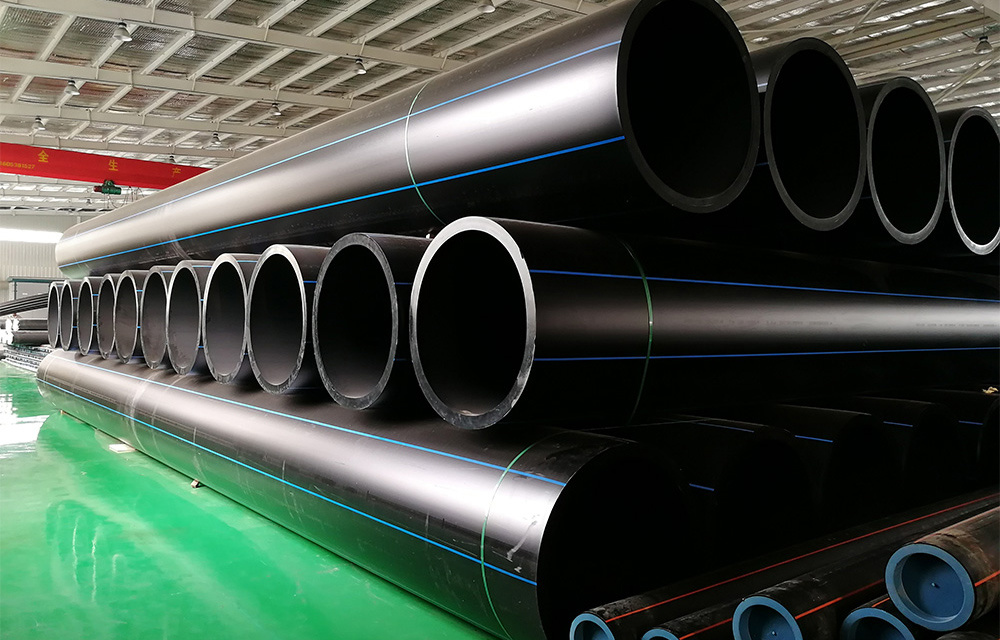
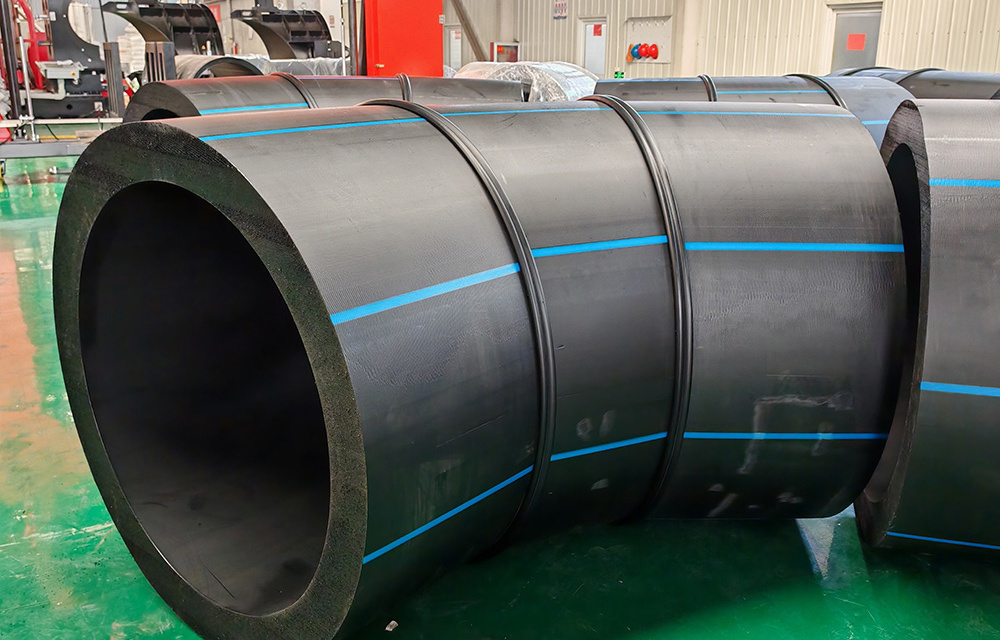
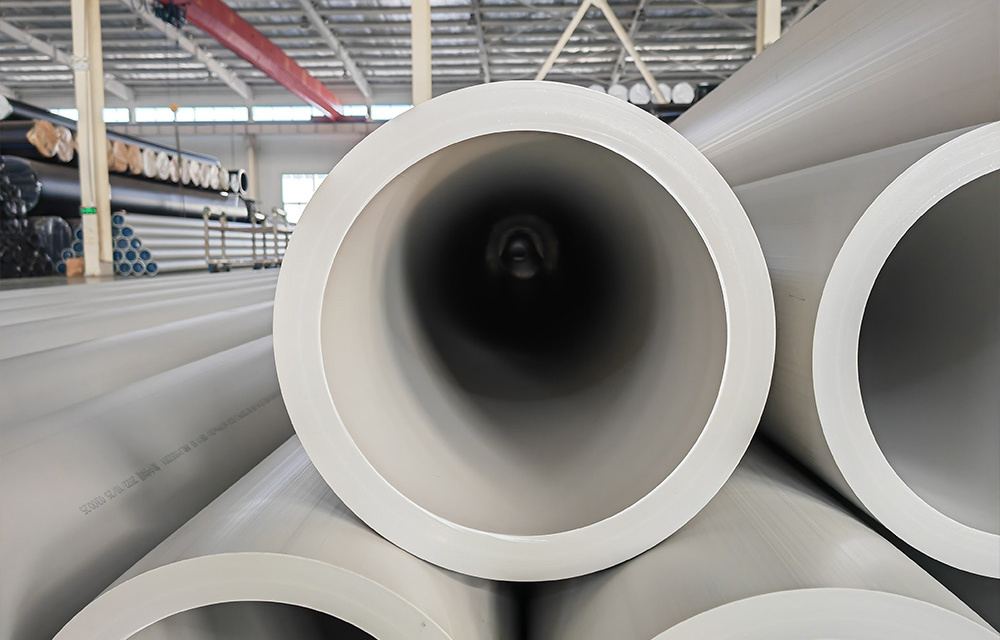
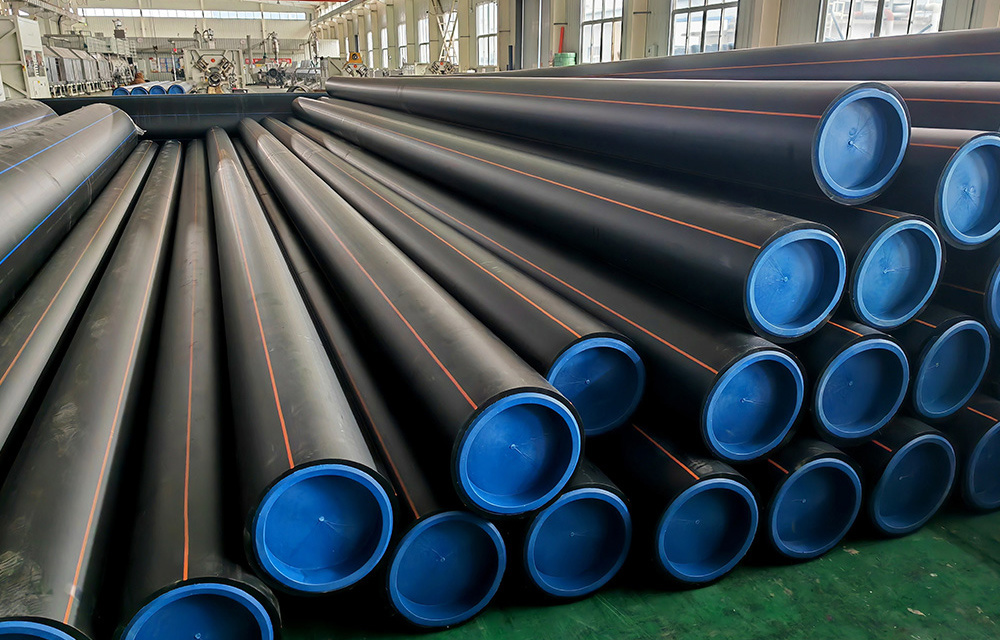
In the world of construction, making the right choice of materials can significantly impact the project's overall success. One material that has gained significant traction in recent years is **Polypropylene (PP)** pipes. Known for their robustness, flexibility, and eco-friendliness, PP pipes are becoming the go-to choice for many construction professionals. In this article, we will explore the numerous advantages of using PP pipes in construction, the different applications they cater to, and why they should be your top choice for your next project.
Table of Contents
- Advantages of PP Pipes
- Applications of PP Pipes in Construction
- Cost-Effectiveness of PP Pipes
- Environmental Sustainability and PP Pipes
- Durability and Longevity of PP Pipes
- Ease of Installation
- Common FAQs about PP Pipes
- Conclusion
Advantages of PP Pipes
When it comes to selecting the right piping material for your construction project, understanding the **key benefits of PP pipes** can help you make an informed decision. Here are some standout advantages:
1. Lightweight Design
PP pipes are incredibly lightweight compared to traditional materials like metal or concrete. This property not only makes handling and transportation easier, but it also reduces installation time and labor costs, leading to overall savings for your project.
2. Corrosion Resistance
Unlike metal pipes that can corrode over time, PP pipes exhibit excellent resistance to various chemicals and environmental factors. This quality ensures that the pipes maintain their integrity and performance, minimizing the risk of leaks and costly repairs.
3. High Thermal Resistance
PP pipes can withstand high temperatures, making them suitable for hot water applications. They can handle temperature fluctuations without deforming or losing their structural integrity, a critical feature for many construction projects.
Applications of PP Pipes in Construction
PP pipes are versatile and can be used in a variety of applications within the construction industry. Here are some common uses:
1. Plumbing Systems
PP pipes are ideal for both residential and commercial plumbing systems. Their leak-proof design and resistance to corrosion ensure a reliable water supply without the risks associated with traditional piping materials.
2. Drainage and Sewage
In drainage systems, PP pipes provide excellent flow rates and resistance to chemical degradation, making them a top choice for sewage and waste management applications.
3. HVAC Systems
Given their thermal resistance, PP pipes are frequently used in HVAC systems, ensuring efficient heating and cooling without the risks of corrosion or other failures.
Cost-Effectiveness of PP Pipes
Investing in PP pipes can lead to significant **cost savings** over time. Here’s how:
1. Lower Installation Costs
Due to their lightweight nature, PP pipes are easier to handle and install, leading to reduced labor costs. Additionally, their flexibility allows for fewer fittings and joints, further simplifying the installation process.
2. Reduced Maintenance Costs
The durability and corrosion resistance of PP pipes ensure that they require less maintenance over their lifespan. This feature translates into long-term cost savings, as you won’t need to replace or repair pipes frequently.
Environmental Sustainability and PP Pipes
As the construction industry moves toward more sustainable practices, choosing eco-friendly materials has become paramount. Here’s why PP pipes stand out:
1. Recyclability
PP pipes are fully recyclable, meaning that at the end of their lifecycle, they can be repurposed rather than ending up in landfills. This characteristic aligns with modern environmental standards and contributes to a circular economy.
2. Reduced Carbon Footprint
The production of PP pipes generates fewer carbon emissions compared to traditional piping materials. By opting for PP pipes, you're choosing a product that minimizes its impact on the environment.
Durability and Longevity of PP Pipes
Durability is a critical factor in any construction project. Here’s how PP pipes measure up:
1. Resistance to Impacts
PP pipes can withstand significant impacts and stress without cracking or breaking. This resilience makes them suitable for various construction environments, including those with extreme weather conditions.
2. Long Lifespan
PP pipes boast a long operational lifespan, often exceeding 50 years with proper installation and maintenance. Investing in PP piping systems means fewer replacements and repairs, providing peace of mind for builders and contractors alike.
Ease of Installation
The installation process can significantly affect project timelines and costs. Here’s why PP pipes simplify this aspect:
1. Simple Joining Methods
PP pipes can be joined using heat fusion, which creates a strong, leak-proof bond. This method is not only effective but also reduces the need for additional fittings, making the installation process quicker and more efficient.
2. Flexibility for Various Projects
The flexibility of PP pipes allows them to be bent and shaped to fit a variety of applications. This adaptability contributes to a smoother installation process, accommodating various construction designs and layouts.
Common FAQs about PP Pipes
1. What is the difference between PP and PVC pipes?
PP pipes are more flexible and resistant to chemicals compared to PVC pipes. They also have a higher temperature threshold, making them suitable for hot water applications.
2. Are PP pipes safe for drinking water?
Yes, PP pipes are safe for drinking water applications. They are non-toxic and do not leach harmful chemicals into the water supply.
3. How do I install PP pipes?
PP pipes are typically installed using heat fusion, where the ends of the pipes are heated and then joined together, creating a strong bond.
4. Can PP pipes be used outdoors?
Yes, PP pipes can be used outdoors. However, they should be protected from prolonged exposure to UV light, as this can affect their longevity.
5. What is the lifespan of PP pipes?
With proper installation and maintenance, PP pipes can last over 50 years, making them an excellent long-term investment for construction projects.
Conclusion
Choosing the right piping material for your construction project is crucial for ensuring durability, efficiency, and sustainability. Polypropylene (PP) pipes stand out as a versatile, cost-effective, and environmentally friendly option. Their numerous advantages, including lightweight design, corrosion resistance, and ease of installation, make them an ideal choice for a wide range of applications. By opting for PP pipes, you are not only investing in high-quality materials but also contributing to sustainable construction practices. Embrace the future of construction with PP pipes, and experience the difference in your next project.

Customer Service Hotline
Sales Department Email
Website (Web)
Customer Service Email
Business Cooperation Email
Address
No.32 Donghai Road, Cangzhou Development Zone, Hebei Province, China
Company Address
No. 32 Donghai Road, Cangzhou Development Zone, Hebei Province, China